





Strength That Flows in Every Direction
For decades, strength training has been understood in linear terms — push, pull, lift.
Yet human movement, in both sport and daily life, is far from linear. Every action — from rotating the torso during a kick to changing direction while sprinting — is powered by circular and torsional forces, a continuous dialogue between muscular chains working together to generate, control, and transfer energy.
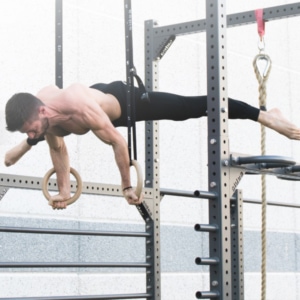
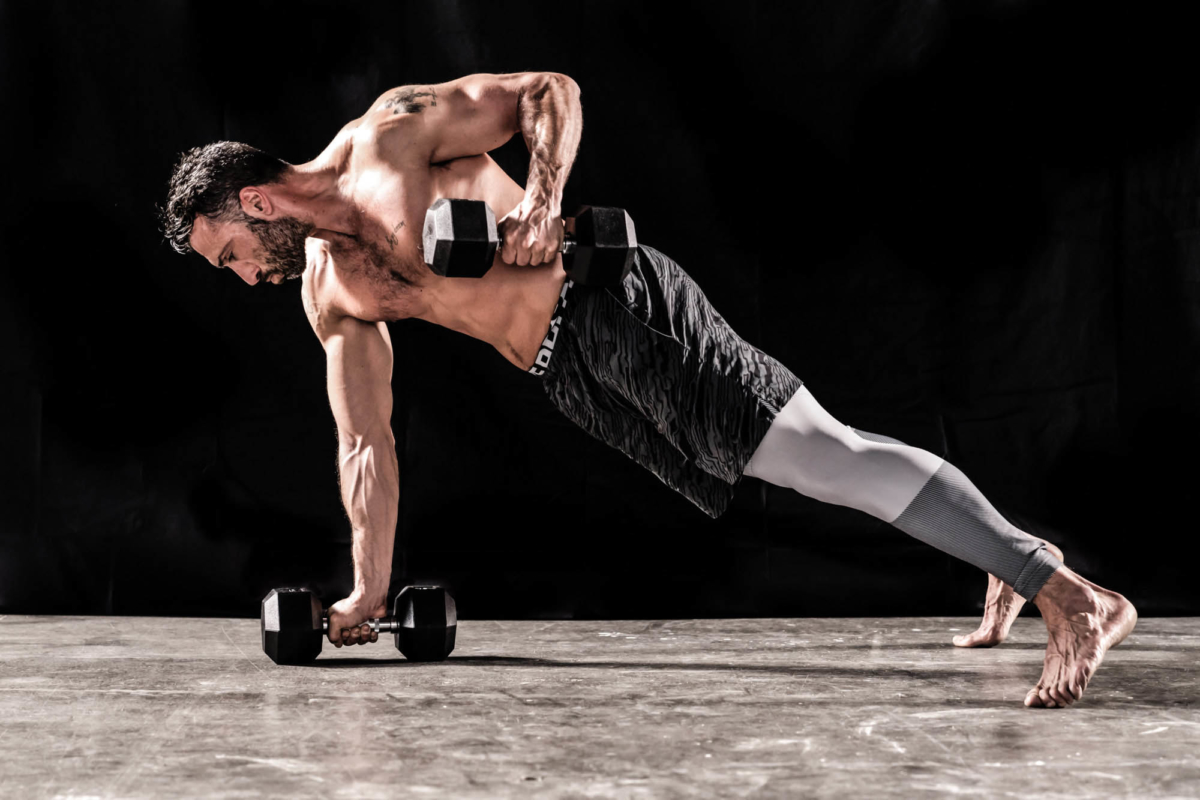
From this awareness arises the concept of Circular Strength: a modern training paradigm that enhances the ability to produce and manage multidirectional forces — rotational, transverse, and multiplanar — with stability, control, and fluidity.
It represents the essence of 3D functional training, where biomechanics meets performance and well-being.

Scientific Evidence: Why Rotational Strength Matters
Recent research confirms that rotational strength is fundamental not only for sports performance but also for injury prevention and joint longevity.
• Zemková et al. (2017–2022) – Demonstrated that rotational power tests (wood chop, trunk rotation) are highly reliable and correlate with multiplanar athletic performance.
• Walter et al. (2019–2023) – Found that Indian Clubbell programs improve shoulder strength and mobility, reducing injury risk in throwers and handball players.
• Andre et al. (2012) – Validated protocols to measure power in the transverse plane, confirming the direct link between rotational capacity and performance.
• Studies on core rotational training show that improving trunk torsional control reduces joint stress, enhances posture, and prevents chronic back pain.
In short, Circular Strength training develops the body’s natural capacity to control motion through all planes, improving efficiency while protecting the musculoskeletal system.

Beyond Performance: Posture, Health, and Quality of Life
Circular Strength isn’t just for athletes — it’s for everyone who wants to move better, live better, and age stronger.
Everyday actions — lifting a child, turning while driving, carrying groceries — all rely on the body’s ability to rotate, stabilize, and transfer force.
A body trained in circular and rotational movement:
- Protects the spine by improving trunk control (central volumes).
- Enhances joint mobility, reducing stiffness and compensations (proximal volumes).
- Optimizes energy transfer from center to extremities, improving movement finalization (distal volumes).
- Promotes functional longevity, sustaining efficient movement throughout life.
Training rotational strength is therefore not only a performance choice — it’s an investment in postural health, coordination, and lifelong movement quality.

SIDEA: Pioneers of 3D Functional Training
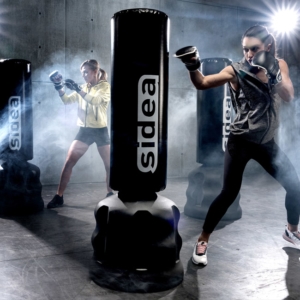
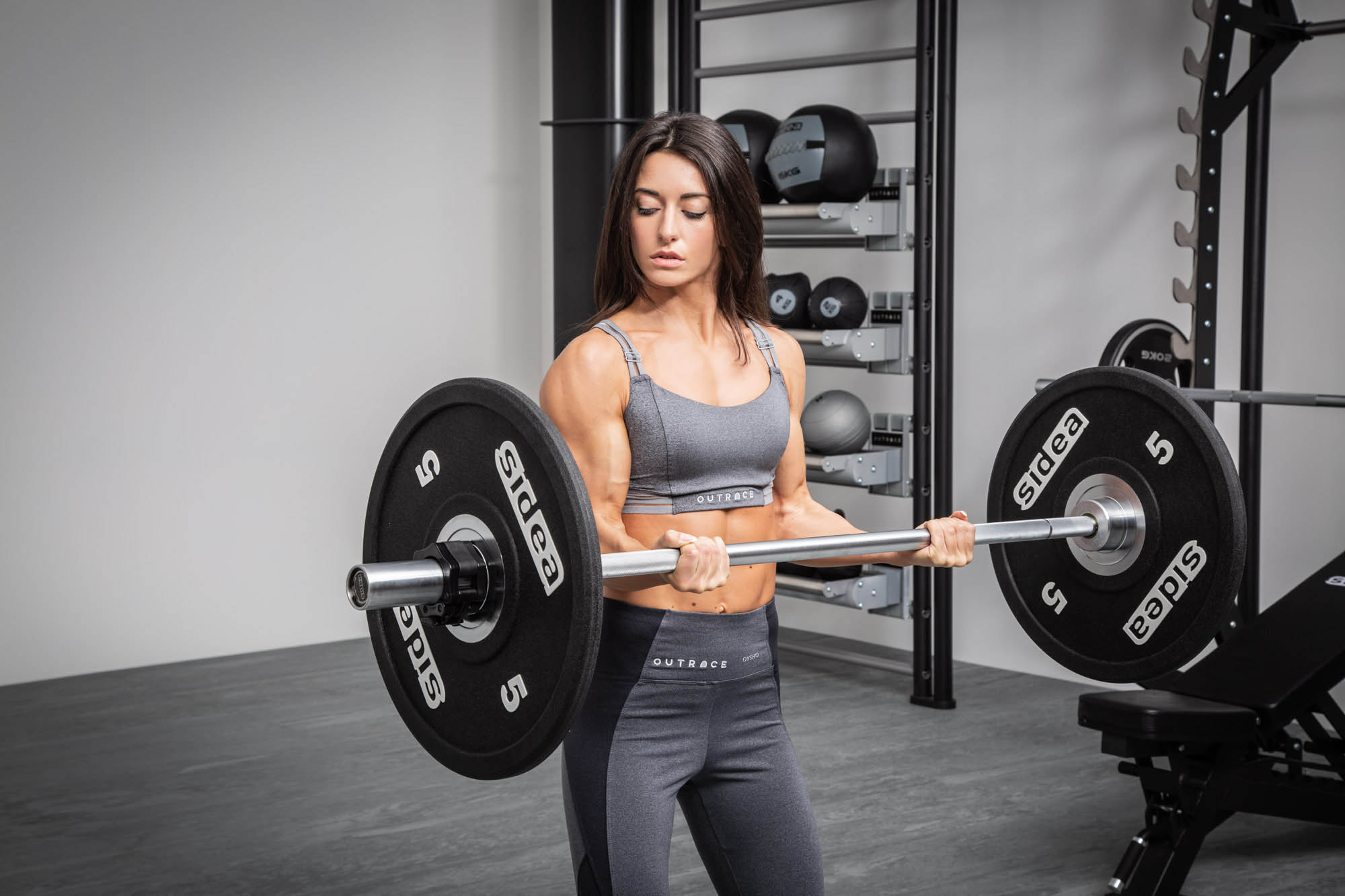
Long before terms like multiplanar training or rotational power became buzzwords in the fitness industry, SIDEA had already recognized the importance of training strength in all directions.
Over 15 years ago, the Italian company — now a European leader in professional functional training equipment — launched tools that redefined three-dimensional movement training:
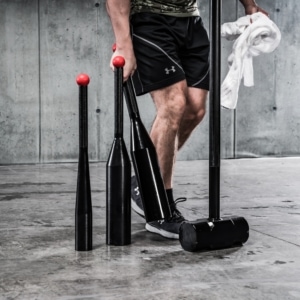
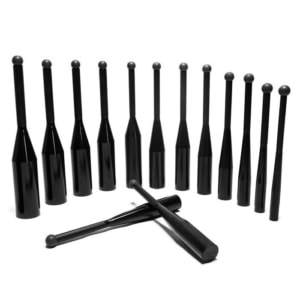
- SI-Mace – Inspired by traditional Indian gada, ideal for multi-planar swinging and circular motions that strengthen the shoulders and core.
- SI-Club – Offset-loaded tools that develop strength, coordination, and joint control.
- Kettlebell – A timeless instrument for ballistic and torsional movements, central to functional performance.
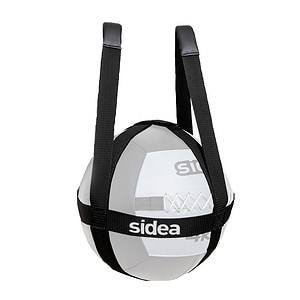
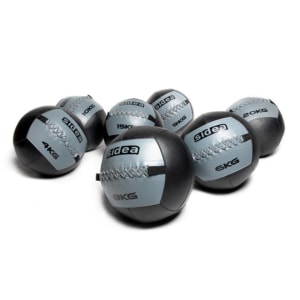
- Giant Mad Ball – A large medicine ball with integrated straps that turns traditional linear power exercises into powerful rotational and torsional training tools.
These deceptively simple tools are built on advanced biomechanical principles: the offset load continuously generates torque, forcing the body to stabilize, rotate, and coordinate multiple muscular chains dynamically.
They are the practical embodiment of Circular Strength in motion.

A Vision Ahead of Its Time
SIDEA’s approach has never followed trends — it has been guided by science, movement analysis, and athletic culture.
While the market once focused solely on machines and isolated muscle work, SIDEA was already designing equipment made for movement, breaking free from the muscle-centric model that limited the evolution of fitness.
Today, as 3D functional training, rotational performance, and core integration dominate athletic programming, SIDEA’s early vision has proven remarkably prescient.
The company continues to invest in research and development, partnering with athletes, coaches, and universities to refine tools that not only enhance performance, but also preserve joint integrity and improve quality of life.
Conclusion
To train Circular Strength is to train for real life — for the rotations, transitions, and unpredictable gestures that define movement itself.
Through its philosophy and its equipment, SIDEA stands not just as a manufacturer, but as a true interpreter of human movement — a pioneer of three-dimensional functional training, anticipating the future of both performance and well-being.
DR. M. Maraldi

Sale!
Does Strength Start at the Ground? The Military Press and the Hidden Synergy of the Body
Before You Push, You Need Something to Push Against Before strength comes support. It is [...]
09
Oct
Oct
PHA and Jump Sets on the 9089K1 Cable Station: Train Strength, Circulation, and Density in a Single Station
PHA and Jump Sets on the 9089K1 Cable Station: Building Strength, Improving Microcirculation, and Increasing [...]
24
Aug
Aug
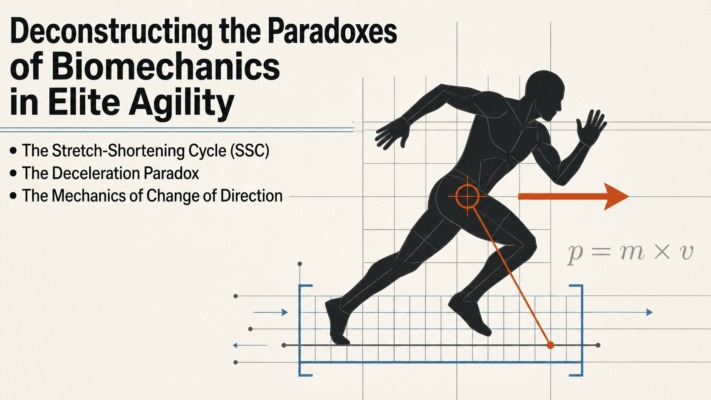
Elite Agility: Why Changing Direction Is Not Just a Matter of Strength
Introduction: Agility Is Not Just Quick Feet When discussing agility, the temptation is always the [...]
15
Jul
Jul

Maximal Strength and Team Sports
When Strength Becomes Performance: Dr Mauro Franzetti’s Contribution to the Summit of Strength On 1 [...]
15
Jul
Jul

ATHX Games 2026: What It Is, How It Works, and How to Prepare for the Hybrid Competition
The Evolution of HYBRID Training In recent years, competitive fitness has evolved towards increasingly structured [...]
15
Jul
Jul

The Ultimate Guide to Choosing Bumper Plates: How Not to Make a Mistake with Your First Set and Optimize Performance
The truth that nobody tells you? Choosing a bumper plate is not just a matter [...]
15
Jul
Jul

Structure Governs Function: Dr. Luca Franzon at the Summit of Strength in Cesena
A journey into the myofascial system that is revolutionising strength, movement, and performance — from [...]
15
Jul
Jul

The Ultimate Guide to Choosing SIDEA Dumbbells
How and Why to Choose the Right Dumbbell for Your Workout Dumbbells as an Investment [...]
09
Jun
Jun