








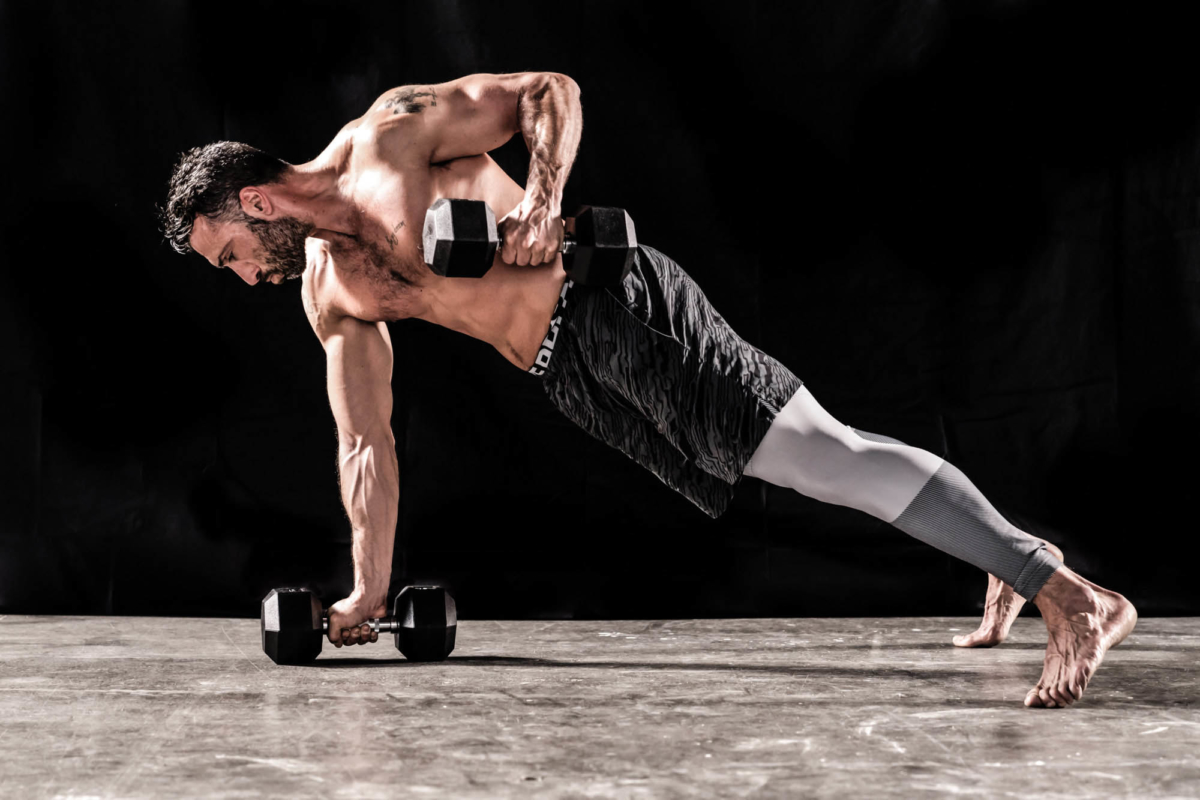

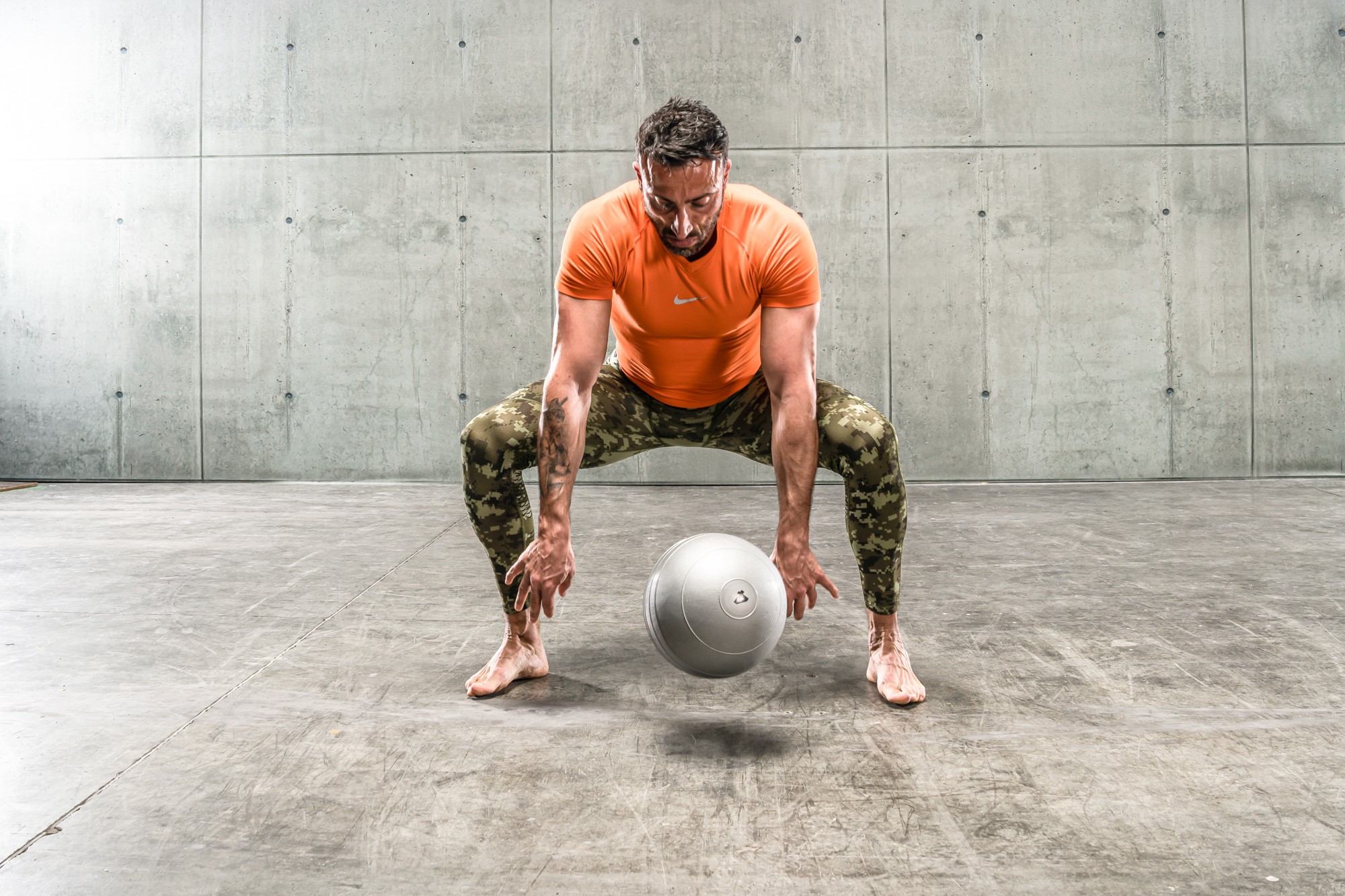
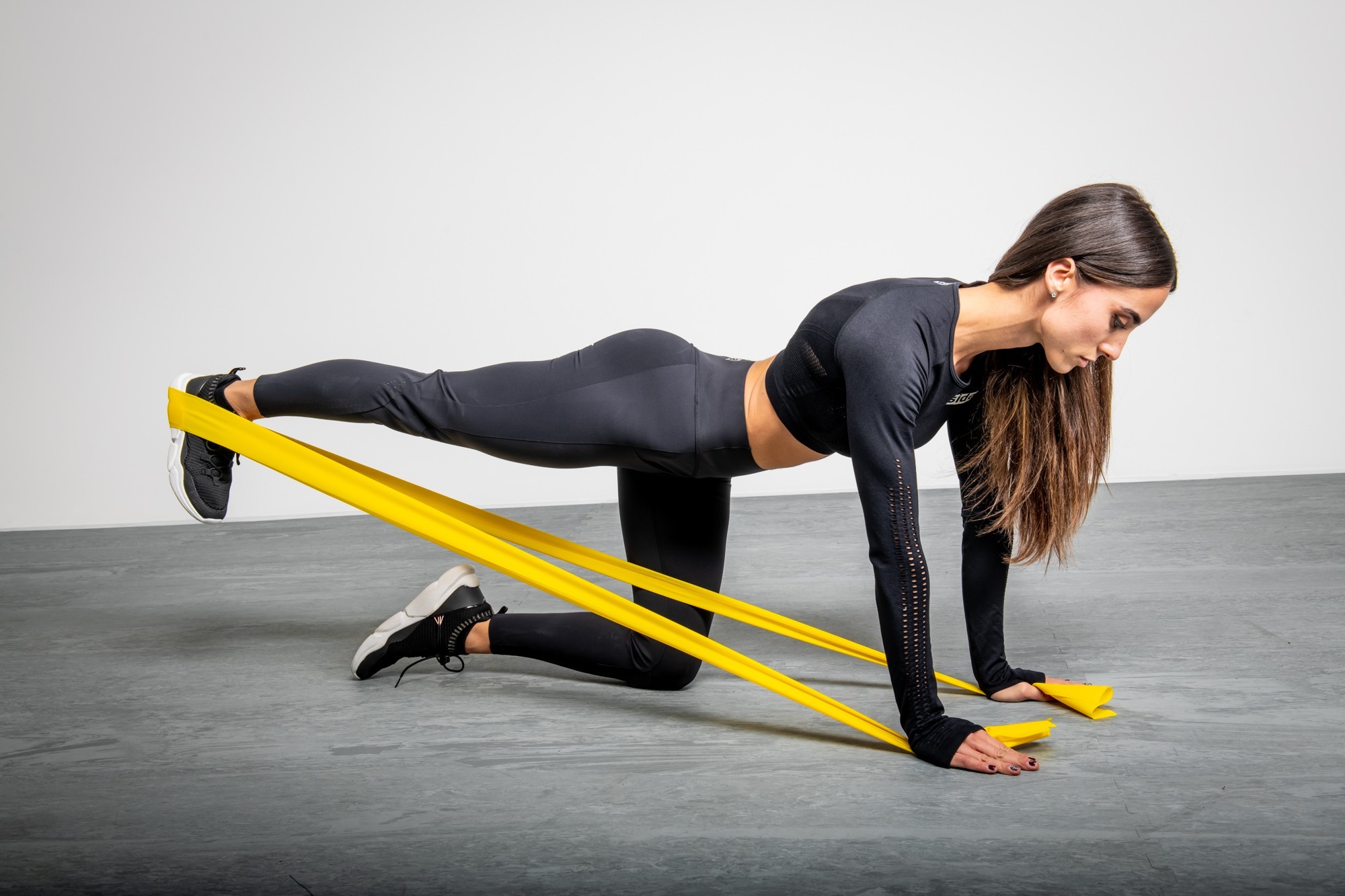
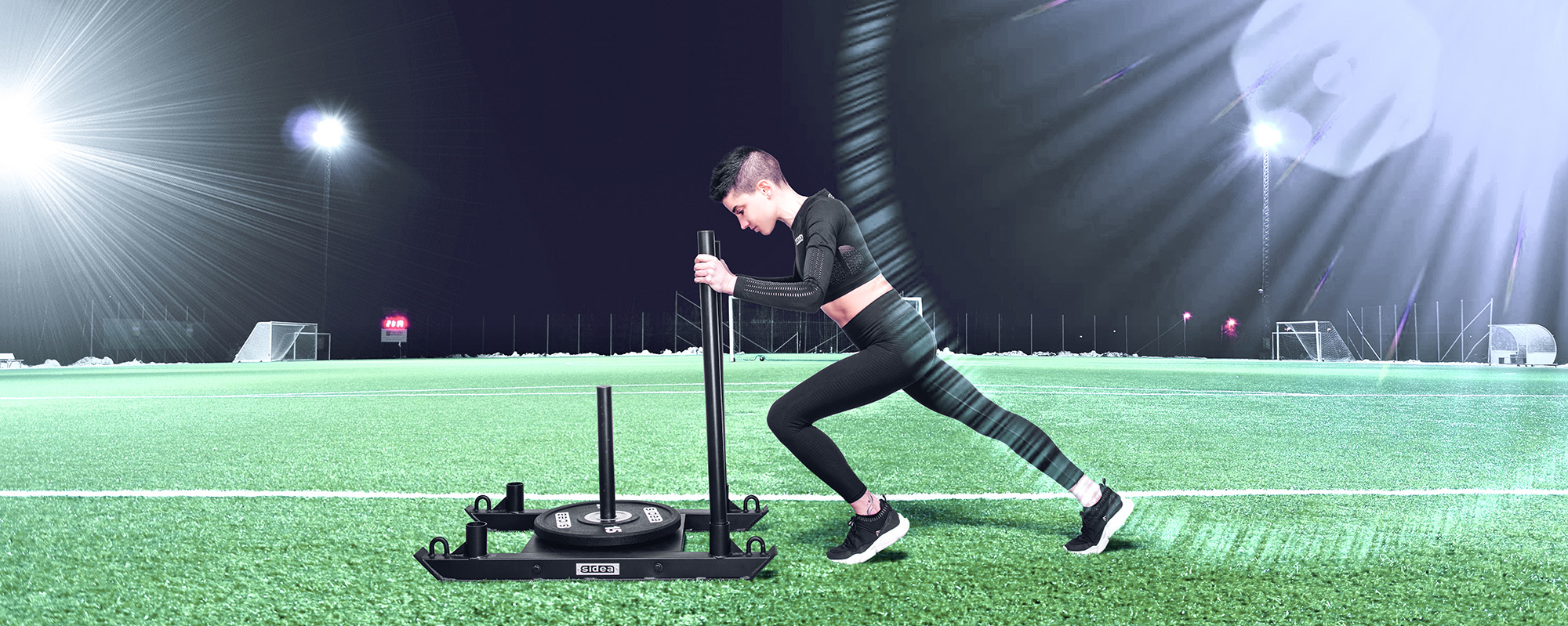
Functional Training is not a passing fad, but the logical and scientific evolution of physical training.
Rooted in rehabilitation and a deep understanding of kinesiology, it represents today the most advanced methodology for optimizing human performance in any context, from daily life to high-level competition

In this article, we will pragmatically analyze its genesis, its core principles, and its impact, without neglecting a critical perspective.
The origins and evolution of Functional Training. The concept of “functionality” in physical exercise has a complex and stratified history. Although today it is often associated with commercial fitness, its true birth lies in the clinical and rehabilitative fields. The fundamental idea, supported by pioneers of functional training rehabilitation, was that the body should be trained not for individual muscles (muscle-centric theory), but for the integrated movements necessary for life itself. Initially, physical and occupational therapists aimed to restore basic motor skills (walking, grasping, standing up). This perspective was then brilliantly adopted and systematized in sports training by figures such as Vern Gambetta (considered one of the fathers of sport-specific training) and Michael Boyle, to name just a few. They argued that strength training should imitate the dynamic and chaotic demands of the reference sport, rather than isolating muscles in machines. Their thesis, which refuted the dogma of muscle isolation, was simple: the body does not move in isolated segments, but as a set of multiple components—a constantly interconnected kinetic chain.

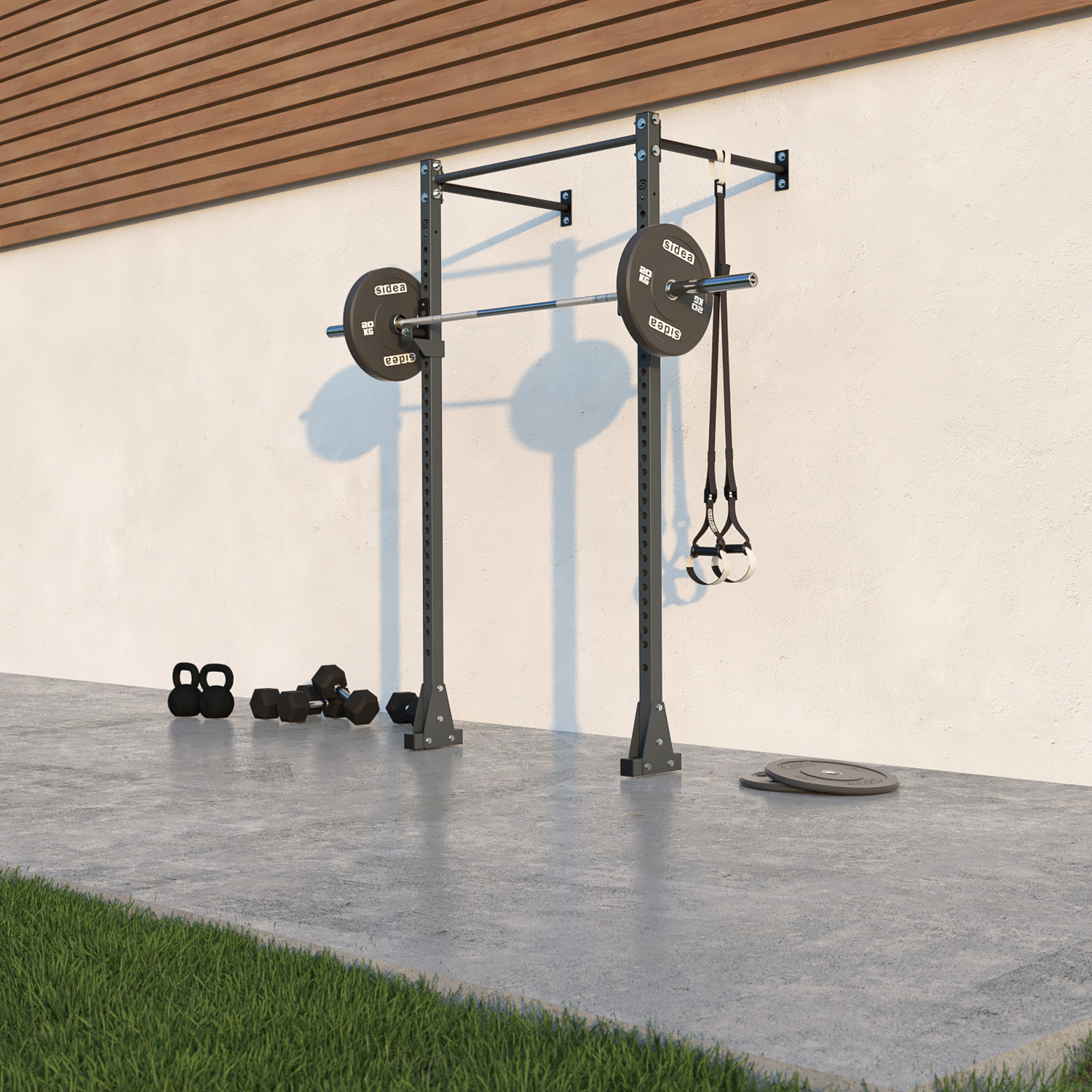
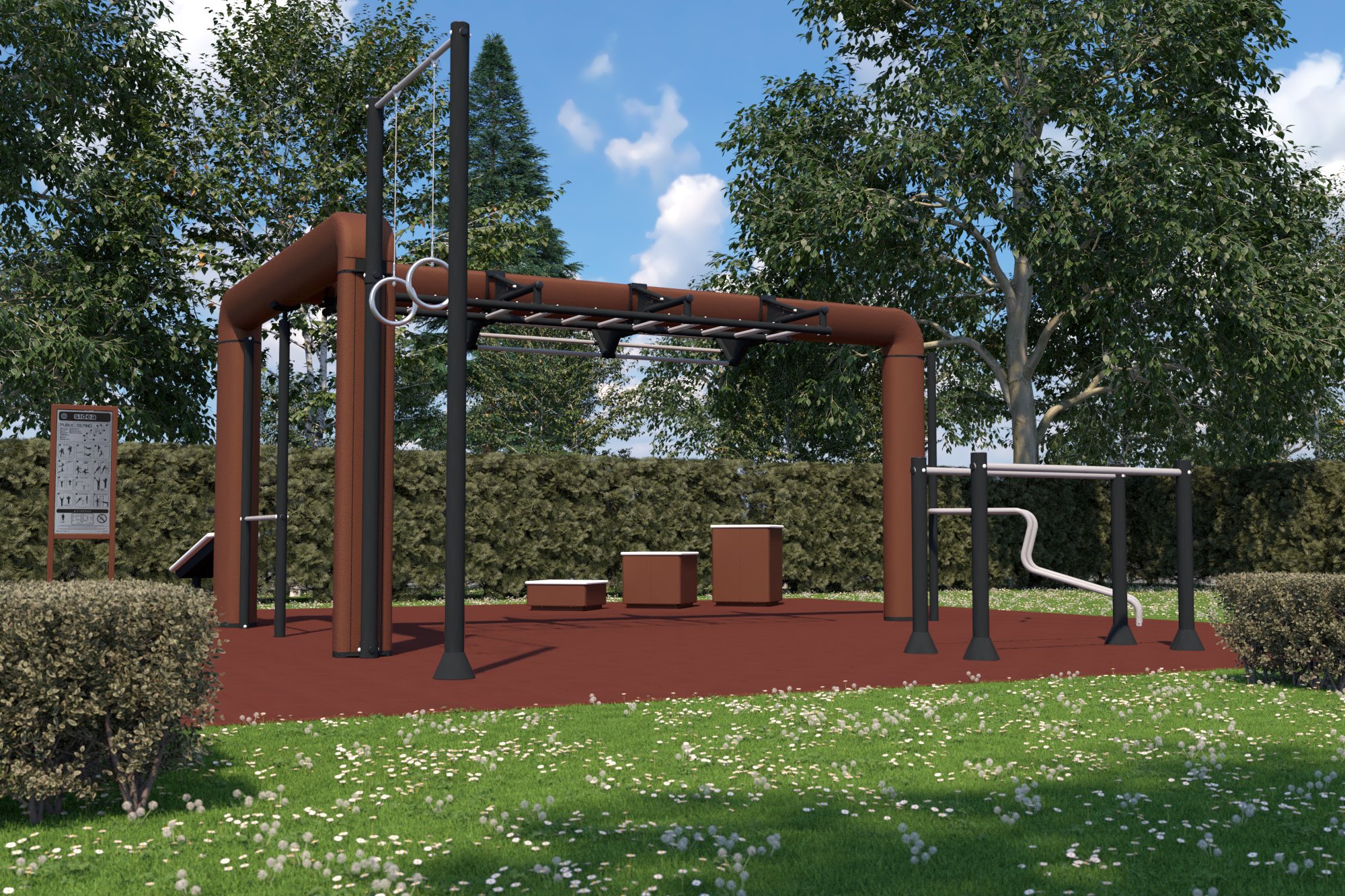
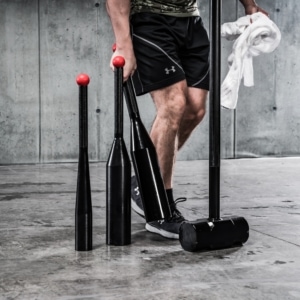
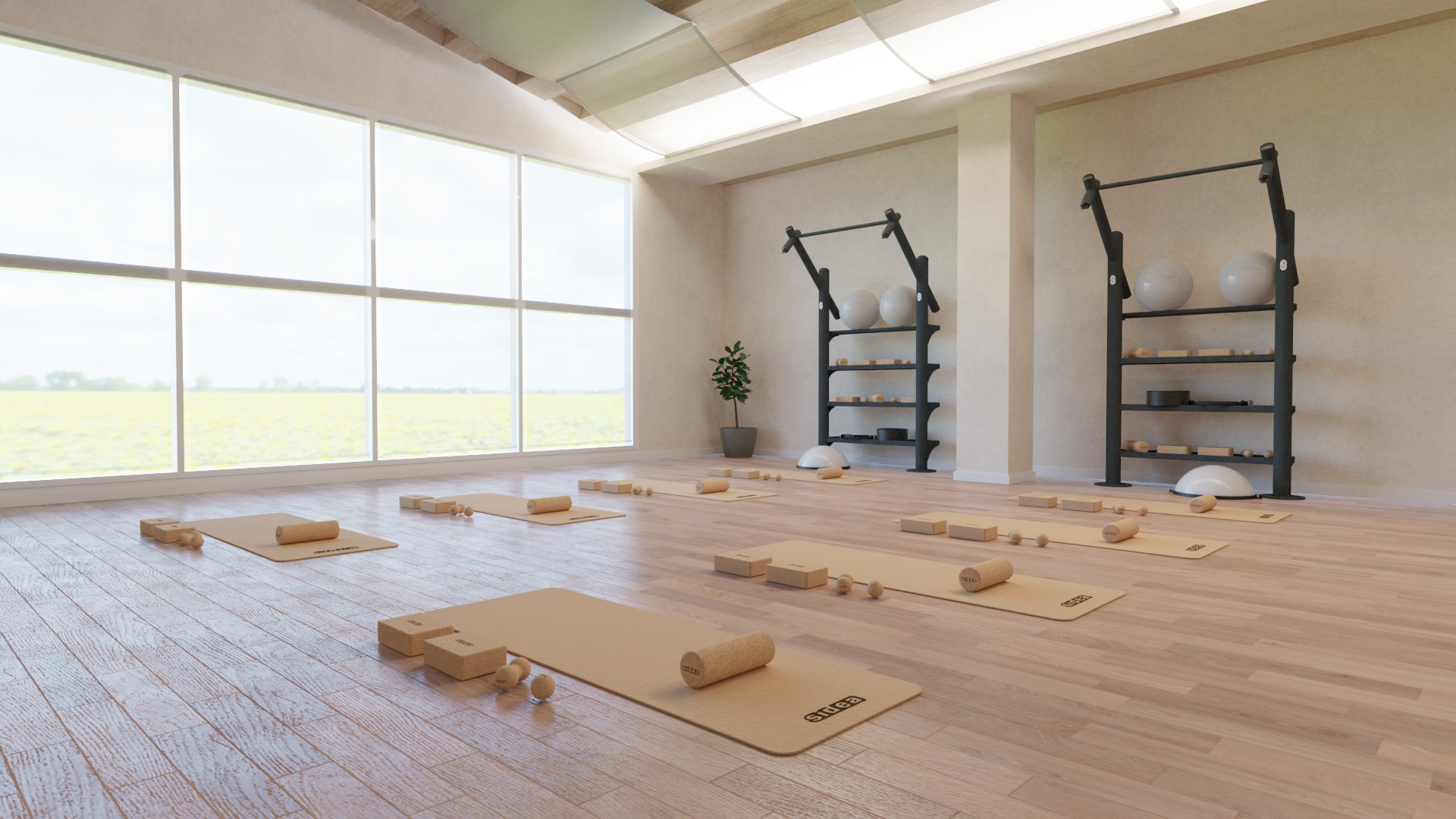
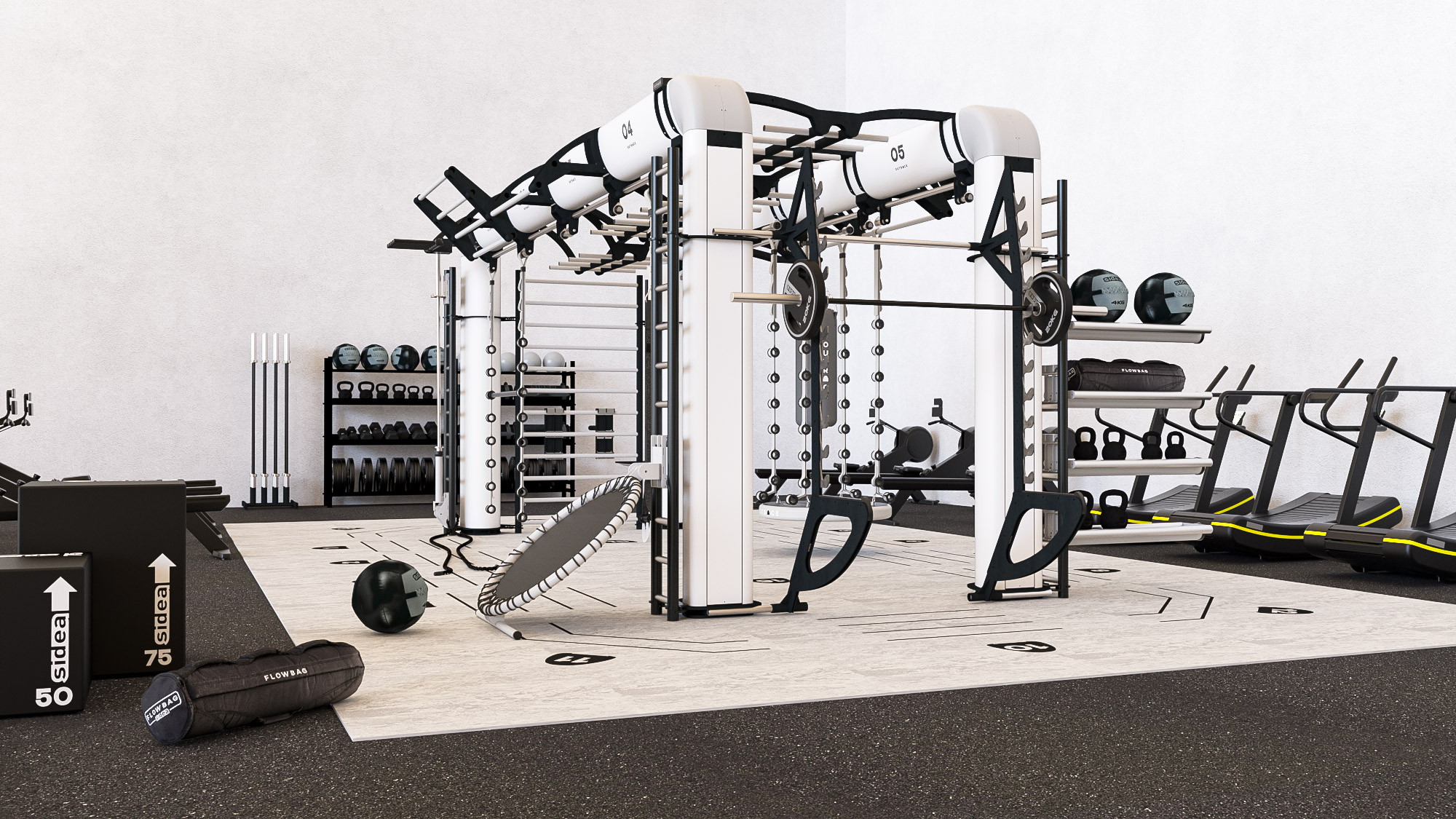
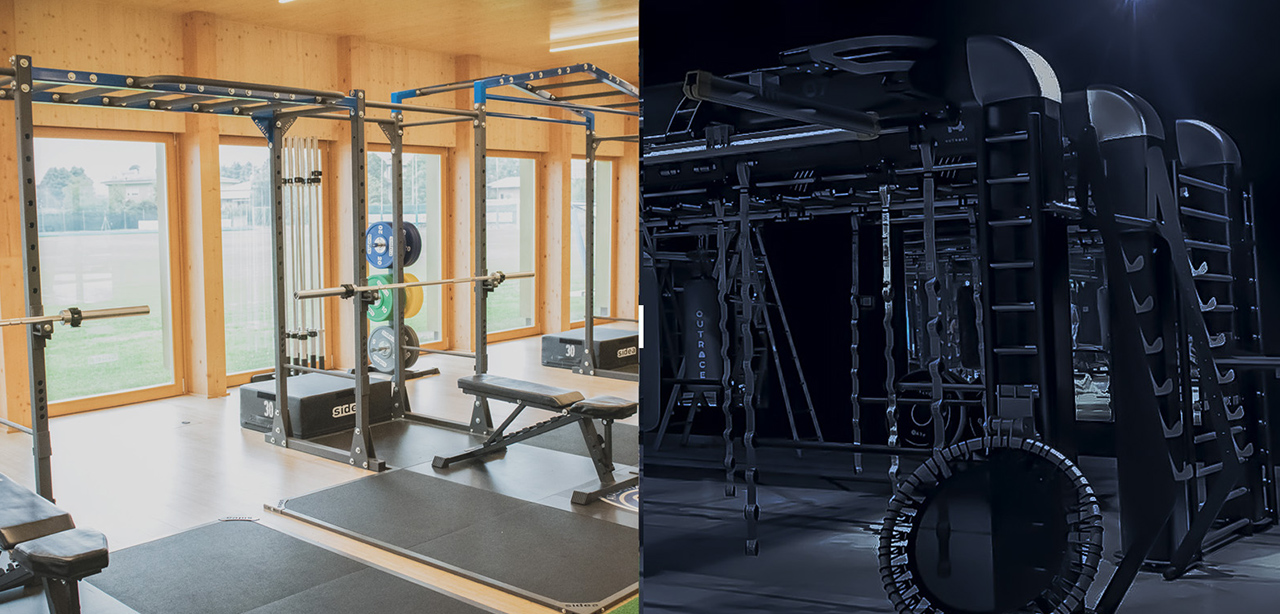
Functional Training requires a thorough initial assessment (as advocated by Gray Cook with the FMS – Functional Movement Screen) to identify dysfunctions before loading the movement. The commitment of SIDEA, a leading company in the European market for the design and sale of functional training tools, is absolute. In fact, the effectiveness of Functional Training depends strictly on the tools used. In a critical approach, it is essential that the equipment does not force the body into fixed trajectories, but allows and stimulates three-dimensional freedom of movement. SIDEA is strategically positioned, providing tools ranging from large equipment to small accessories. In the latter, over the last 15 years, it has invested heavily in research and development, covering all domains of human movement: from proprioceptive (like Freeman boards), to stabilizing (duneball), to reactive (flowbag), then to integrative (si-bag and giant ball), and even exploratory tools like kettlebells, si-maces, and finally sensory-perceptual ones like speed ladders and plyo boxes.
All those tools that by their nature force the body to stabilize and move in non-linear ways, perfectly meeting the criteria of multi-planarity and management of inertial forces, which are pillars of modern functional training.
The Core Criteria of Scientific Functional Training. The technical approach to Functional Training is based on a series of interconnected kinesiological principles, all aimed at improving the efficiency and resilience of the neuromuscular system.


- The Functional Trinity: Mobility, Stability, and Integration
The true success of Functional Training is based on the proper integration between body segments, a concept summarized in the Functional Trinity, a fundamental pillar for injury prevention and performance optimization. This nomenclature is central to movement assessment and correction approaches like the Joint-by-Joint Approach popularized by Gray Cook and Michael Boyle. This “trinity” identifies the three crucial areas that must work in harmony:- Hip Mobility: The hip is intended to be a primary center of movement and power. Its ability to move freely in all three planes is vital for safely performing patterns like the Squat or lunge. Limited hip mobility forces neighboring joints (the knee and lumbar spine) to compensate, generating stress.
- Core Stability: The Core represents the ability to resist movement and rotation (an anti-movement function). It acts as a bridge that transfers force from the lower to the upper limbs. A lack of stability results in energy “leakage” and a loss of power.
- Scapular Retraction/Stability: The shoulder joint requires a stable “platform” (the scapula) from which to operate. Scapular retraction is crucial for stabilizing the shoulder during pushing (press) or pulling (pull) movements, preventing instability.
- Proprioception and Dynamic Stability
Proprioception is the body’s ability to perceive its own position and movement in space, a crucial element according to Psychomotricity and the study of movement. It is not a passive sense, but a continuous feedback system based on mechanoreceptors that inform the Central Nervous System.In Functional Training: Training on unstable surfaces or with asymmetrical loads (e.g., single-leg deadlifts) does not aim to make balance more difficult, but to refine the neuromuscular response, transforming static stability into dynamic stability during movement. - Multi-Joint and Multi-Planar Movement
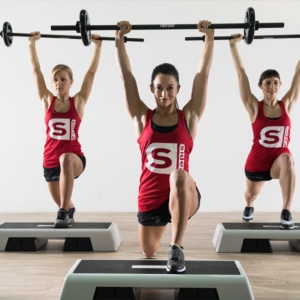
The human body moves in three spatial planes and simultaneously involves multiple joints:Multi-Joint: Synergistic involvement of multiple joints (e.g., a Squat involves the ankle, knee, and hip).Multi-Planar: Movement that crosses the three cardinal planes: Sagittal (Flexion/Extension, e.g., Squat), Frontal (Abduction/Adduction, e.g., lateral lunges), and Transverse (Rotation, e.g., Woodchop).
Alberto Andorlini, in the context of functional training in Italy, emphasizes that most injuries and poor performances stem from a deficit in the transverse plane, specifically in managing rotation. True Functional Training trains the body not only to generate force but, more importantly, to resist and control unwanted rotational forces. - Management of Acceleration, Deceleration, and Inertial Forces
Life and sport are characterized by rapid action-reaction cycles. Technical Functional Training (Boyle, Gambetta) emphasizes eccentric control.Key Principle: A muscle is functional if it can effectively decelerate movement and absorb inertial forces (the eccentric phase). This also includes managing Ground Reaction Force (GRF) and Gravity, which are fundamental physical forces.Example: Landing from a jump (Deceleration), or throwing a giant-med-ball and then quickly catching it (Absorption and Re-launch of Inertial Forces). The efficiency in braking is often more critical for injury prevention than the ability to accelerate alone.


Despite its theoretical soundness, Functional Training is often misinterpreted.
Pros
- Increased Transferability: Maximum correlation between gym exercises and real-world or sports performance.
- Neuromuscular Integration: Improves communication between the nervous and muscular systems (Coordination).
- Injury Prevention: By training complex motor patterns and dynamic stability, it reduces the risk of dysfunctions and injuries.
Cons
Excessive Generalization and Misinterpretation: There is a tendency to think that “everything” is functional.
The argument that Functional Training should completely replace more traditional strength and hypertrophy training. An athlete or individual needing significant gains in maximal strength or muscle mass will still need to resort to isolation techniques and heavy loads. Functional Training is not the negation of strength, but its optimized application.
Functional Periodization
The future of Functional Training lies in a periodization that integrates:
- Corrective Phase: Use of low-load exercises to restore segment mobility and stability (the initial rehabilitative approach). For this intervention, tools of a proprioceptive, stabilizing, and reactive nature will be preferred.
- Fundamental Phase (Functional Strength): Multi-joint exercises in a kinetic chain (Squats, Deadlifts, Overhead Presses), predominantly using integrative tools.
- Transferable Phase (Functional Power): Integration of speed and inertial forces (ballistics, plyometrics, speed-work), with a prevalent use of exploratory and sensory-perceptual tools, applying all the kinesiological criteria discussed.
In conclusion: Functional Training, as a scientific and rigorous approach, is indispensable for anyone who wants not only to be strong but also to move better and live a motor-efficient life. The choice of tools, such as those provided by SIDEA—a leading company in the European market for designing functional tools—becomes crucial for transforming theoretical principles into effective and safe motor practice. This is thanks to the enormous investments the company has made in terms of research and development, and partnerships with training schools like StrongFirst, which bring the principles stated in these pages to a high level of excellence and highlight all the advantages that functional training brings to this fundamental area of athletic preparation.

Sources and Reference Authors:
-
- Gambetta, V. (2007). Athletic Development: The Art & Science of Functional Sports Conditioning. Human Kinetics.
- Boyle, M. (2016). New Functional Training for Sports. Human Kinetics.
- Cook, G. (2010). Movement: Functional Movement Systems: Screening, Assessment, Corrective Strategies.
- Andorlini, A. (2013). Training the Movement.