



Sale!
9014/1 Lightweight Aluminium Barbell
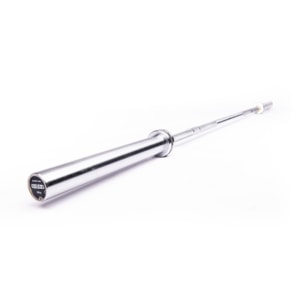
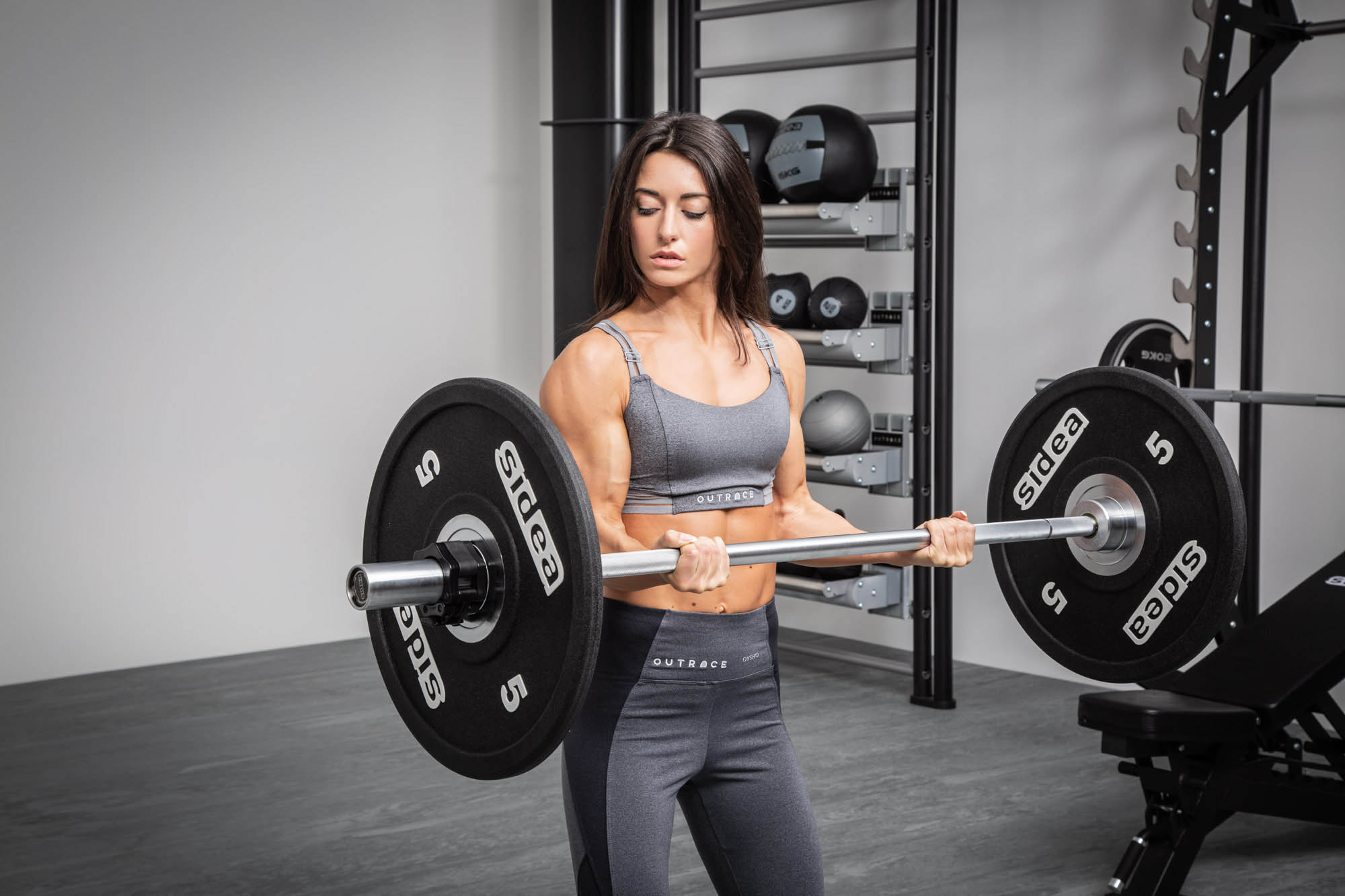
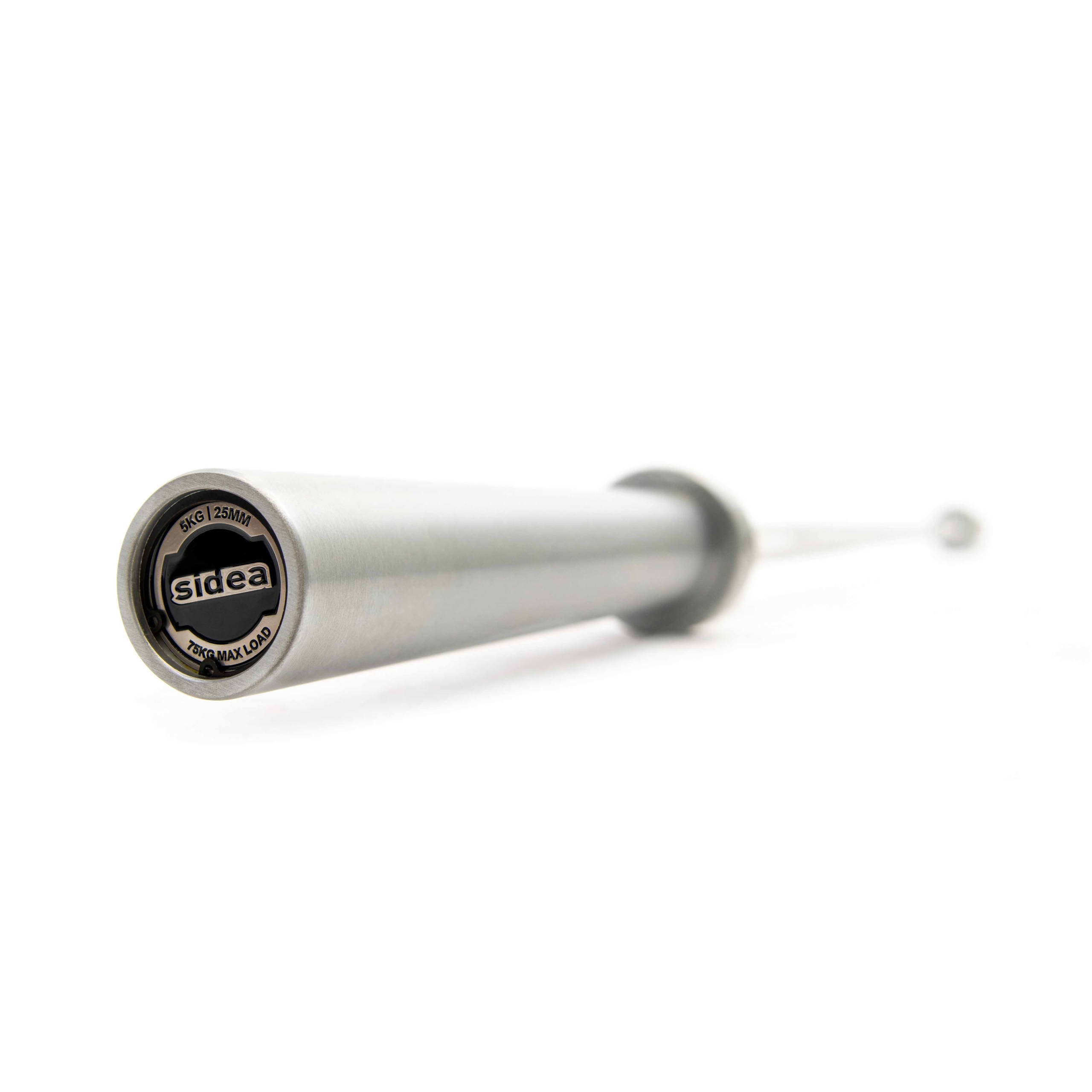
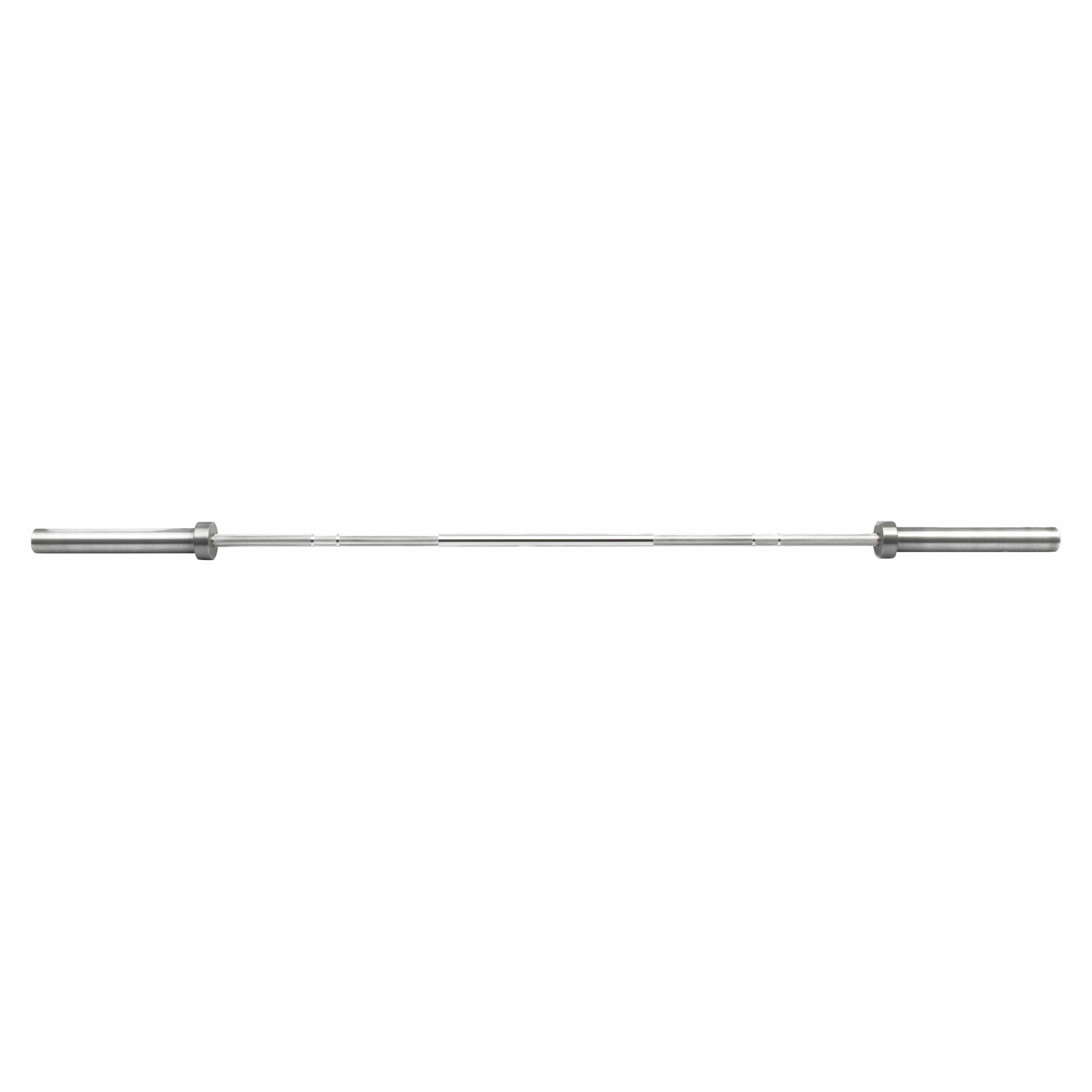
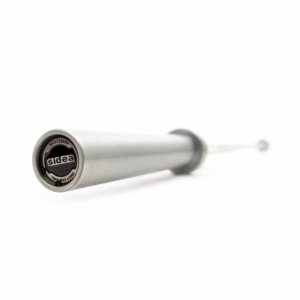
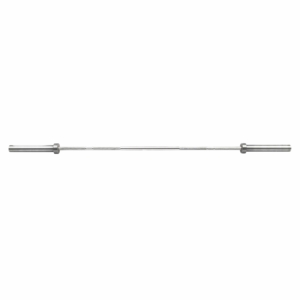
New 2027 model, manufactured entirely from aluminum, including both the shaft and the loadable sleeves. Developed in collaboration with Olympic weightlifting coaches, it replicates the dimensions of a women’s Olympic barbell while providing proper technical handling with a total weight of just 5 kg.
Its high-quality finish and regulation dimensions make it ideal for learning and refining Olympic weightlifting techniques, as well as for any application requiring a lightweight barbell that closely matches the dimensions and technical characteristics of a standard Olympic barbell.
COLLARS NOT INCLUDED.
LIGHTWEIGHT ALUMINUM BARBELL
The Lightweight Aluminum Barbell, code 9014/1, has been redesigned following recommendations from Olympic weightlifting coaches to provide an exceptionally lightweight training bar, weighing only 5 kg, while maintaining the same dimensions as a standard women’s Olympic barbell.
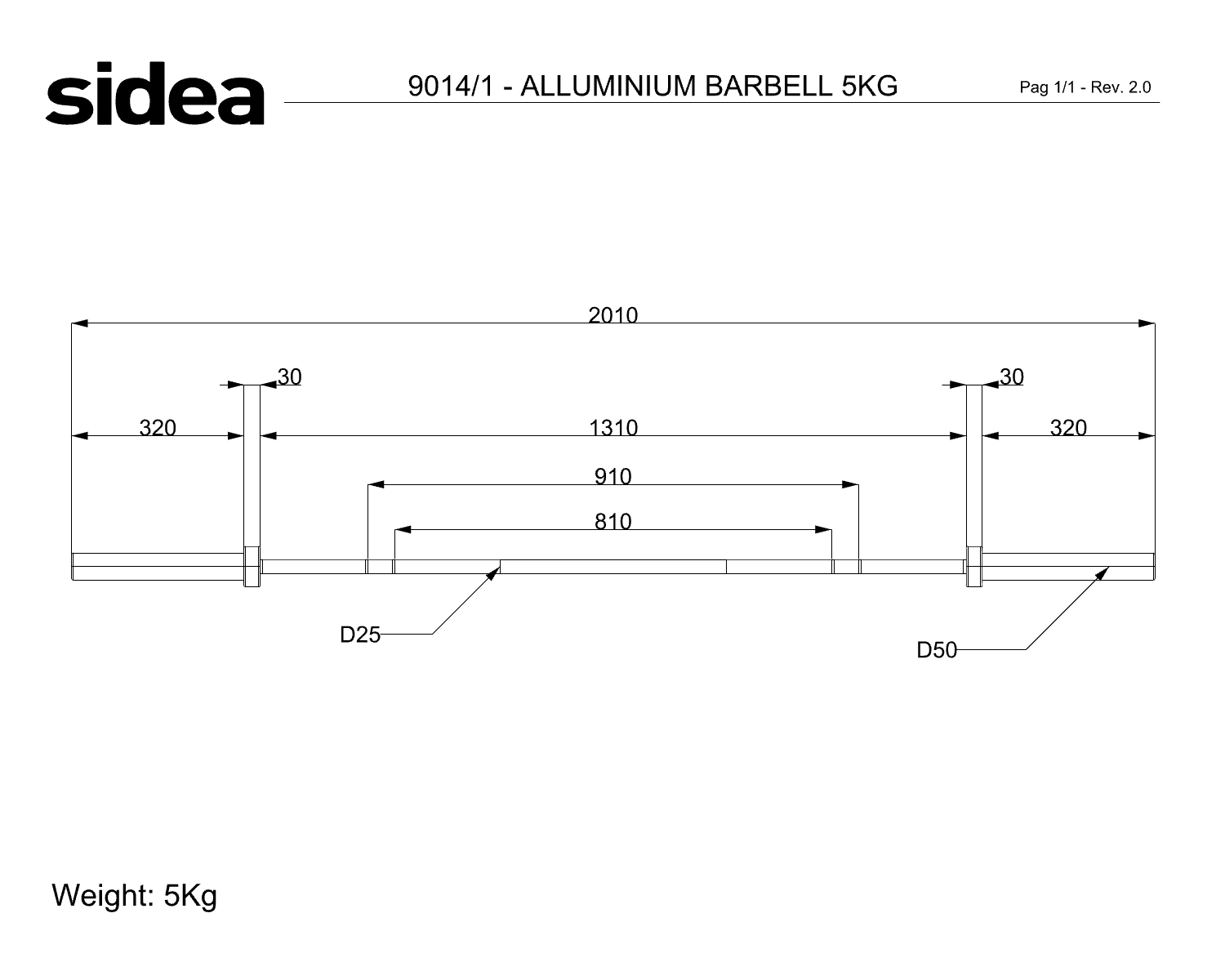
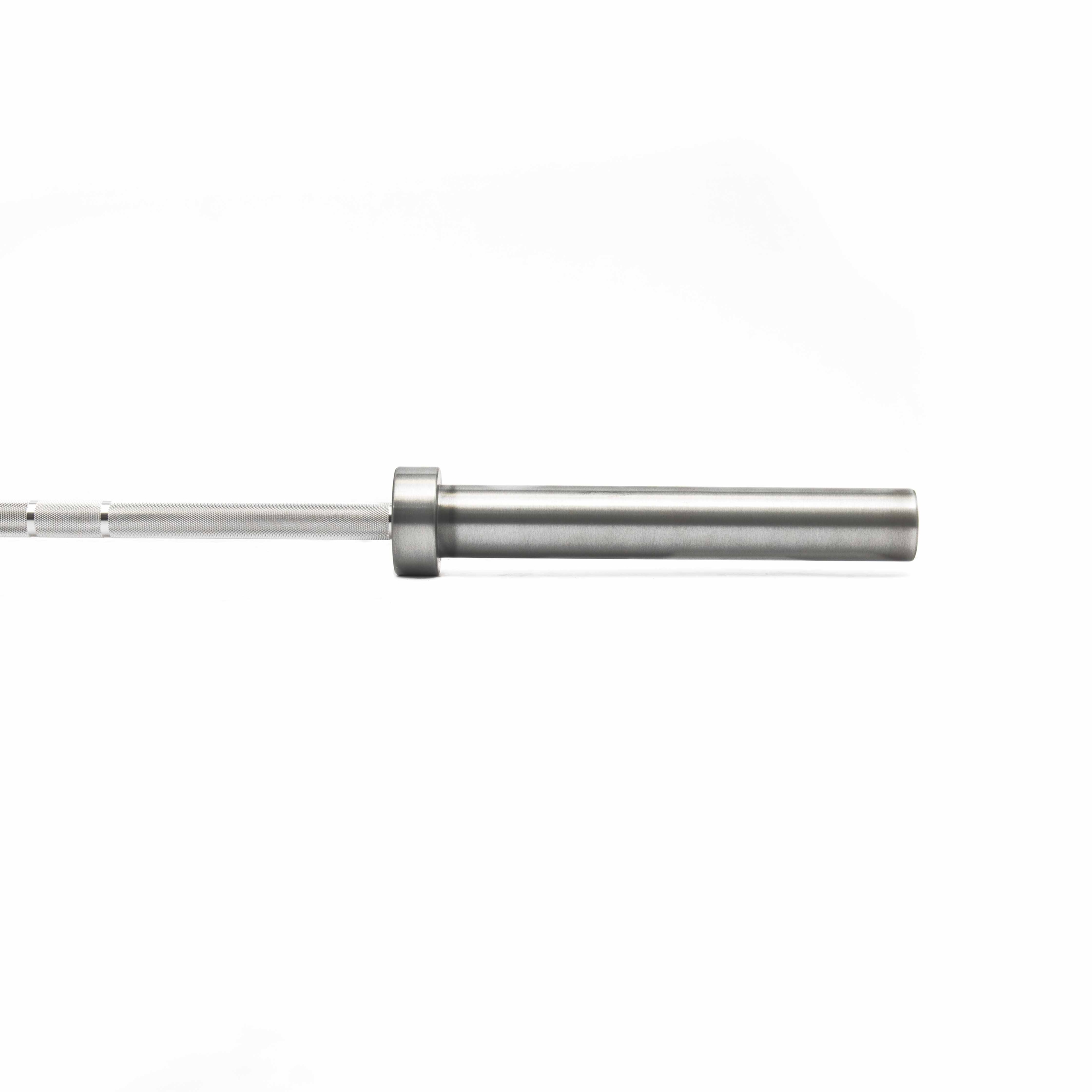
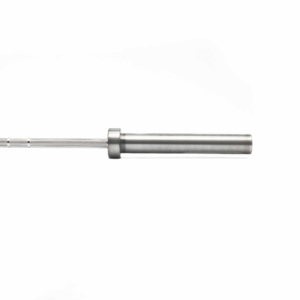
The overall length, shaft diameter, knurling marks, and loadable sleeves allow athletes to train using the same technical references and proportions as a regulation Olympic barbell. The reduced shaft diameter also makes it particularly suitable for beginners, younger athletes, and anyone who benefits from a more comfortable grip during the early stages of learning.
Manufactured entirely from aluminum, including both the shaft and the loadable sleeves, the barbell features a high-quality finish and has been specifically developed for learning and refining Olympic weightlifting techniques, particularly the snatch and the clean & jerk.
Using a lightweight barbell allows athletes to focus on movement quality without the load prematurely affecting posture, speed, or coordination. This makes it easier to refine every phase of the lift—from the initial pull and extension to pulling under the bar and receiving it—while maintaining better control of the bar path. Thanks to its 2010 mm length, the bar also offers excellent stability during technical practice.
Its low weight allows athletes to perform a higher number of technical repetitions while reducing fatigue and reinforcing correct movement patterns. This makes it especially valuable for coaching sessions, sport-specific warm-ups, correcting technical errors, and introducing weightlifting progressions and technical variations.
Compared with PVC pipes, short training bars, or other non-standard equipment, the Lightweight Aluminum Barbell (code 9014/1) enables athletes to learn correct hand positioning, bar clearance, and the spatial references associated with a regulation Olympic barbell. Transitioning to a standard 15 kg or 20 kg Olympic barbell therefore becomes much more natural, as athletes are already familiar with realistic dimensions, grip width, and proportions.
The barbell may also be used on benches and power racks, provided that the maximum recommended load is never exceeded. As a precaution, the maximum working load is set at 75 kg. Because of its appearance, it could easily be mistaken for a standard Olympic barbell and therefore used for strength training or exercises that exceed the structural capabilities of aluminum. For this reason, excessive loading, heavy impacts, and situations that concentrate stress on a limited section of the shaft—such as certain exercises performed with an unusually narrow grip—must be avoided. This product is designed primarily as a technical training and teaching barbell, not as a barbell intended for heavy strength training.
TECHNICAL SPECIFICATIONS – LIGHTWEIGHT ALUMINUM BARBELL
| Specification | Value |
|---|---|
| Weight | 5 kg |
| Overall Length | 2010 mm |
| Grip Length | 1310 mm |
| Grip Diameter | 25 mm |
| Sleeves | Rotating |
| Included | 4 nylon bushings |
| Retention System | 4 circlips (Seeger rings) |
| Sleeve Diameter | 50 mm |
| Sleeve Length | 320 mm |
| Knurling | Medium |
| Center Knurl | None |
| Knurl Marks | 810 mm (Powerlifting) and 910 mm (Weightlifting) |
| Shaft Material | Aluminum |
| Static Load Capacity | 100 kg |
| Recommended Maximum Load | 75 kg |
Block "barbell-per-singoli-prodotti" not found
| Weight | 6 kg |
|---|---|
| Dimensions | 201 cm |
TECHNICAL SHEET