





From Military Physical Training to International Competitions: Discovering the Tactical Games, a discipline that combines strength, endurance, athletic ability and mental control. A sport that is also gaining popularity in Italy and offering new perspectives for the world of functional training.
It’s not enough to be strong. You have to be able to perform when it matters.
Imagine having just completed a demanding run, your heart pounding and your breathing laboured. Your legs are exhausted, your arms feel heavy. But the challenge isn’t over yet.
Ahead of you is another weight to lift, a course to complete and, immediately afterwards, a precision-based task requiring focus, control and a clear mind.
Being fast isn’t enough. Having great muscular strength isn’t enough either. And good endurance alone does not guarantee success.
The real challenge lies in being able to combine all these abilities, transitioning quickly from intense physical exertion to an activity that demands attention, accuracy and precision.
This is the essence of the Tactical Games, a sporting discipline that originated in the United States and has gradually spread to Europe.
A competition that tests both body and mind, but also represents something more interesting: a tangible example of how the concept of athletic preparation is evolving towards increasingly comprehensive and specialised forms of training.
From Tactical Training to Sport: How the Tactical Games Began
To understand the Tactical Games, we need to start with the world of physical training for tactical professionals.
Military personnel, law enforcement officers and emergency responders may be required to perform a wide range of physically demanding tasks: running, overcoming obstacles, carrying equipment, lifting heavy loads or operating under conditions of fatigue.
Their training therefore cannot rely on a single athletic quality.
An excellent runner might struggle when carrying a heavy load. A very strong athlete, on the other hand, might find it difficult to sustain prolonged physical effort. Similarly, both abilities could prove insufficient without coordination, mobility and motor control.
The Tactical Games draw their inspiration from this combination of physical demands.
The discipline originated in the United States as a competition bringing together two traditionally separate fields: functional fitness and shooting sports.
Over time, a community of athletes from diverse backgrounds has developed around this format, including military professionals, law enforcement officers, shooting sports enthusiasts, strength and conditioning coaches, and everyday athletes looking for a different kind of challenge.
One aspect worth emphasising is that the Tactical Games are not reserved for military personnel.
Although inspired by certain aspects of professional tactical training, they are regulated sporting competitions, also open to civilians who meet the requirements established by the organisers and comply with the legislation of the host country.
Today, the competition circuit includes events across the United States and Europe, with different divisions based on experience, age and competitive level.
How Do the Competitions Work? No Single Athletic Quality Guarantees Victory
The Tactical Games format is built around a series of challenges, known as stages, which may combine physical exercises, movement and shooting activities.
The organisers offer several competitive formats.
Qualifiers, generally held over two days, include approximately eight stages and allow athletes to compete within their respective divisions.
Skirmishes, on the other hand, are shorter competitions, usually held over a single day and consisting of four stages. They are also designed to make it easier for newcomers to get involved.
The challenges vary depending on the event, but the underlying principle remains the same: assessing different physical abilities within a single sporting performance.
From a physical standpoint, athletes may face exercises such as:
- Carrying kettlebells, sandbags and other loads.
- Repeated lifting and handling of heavy objects.
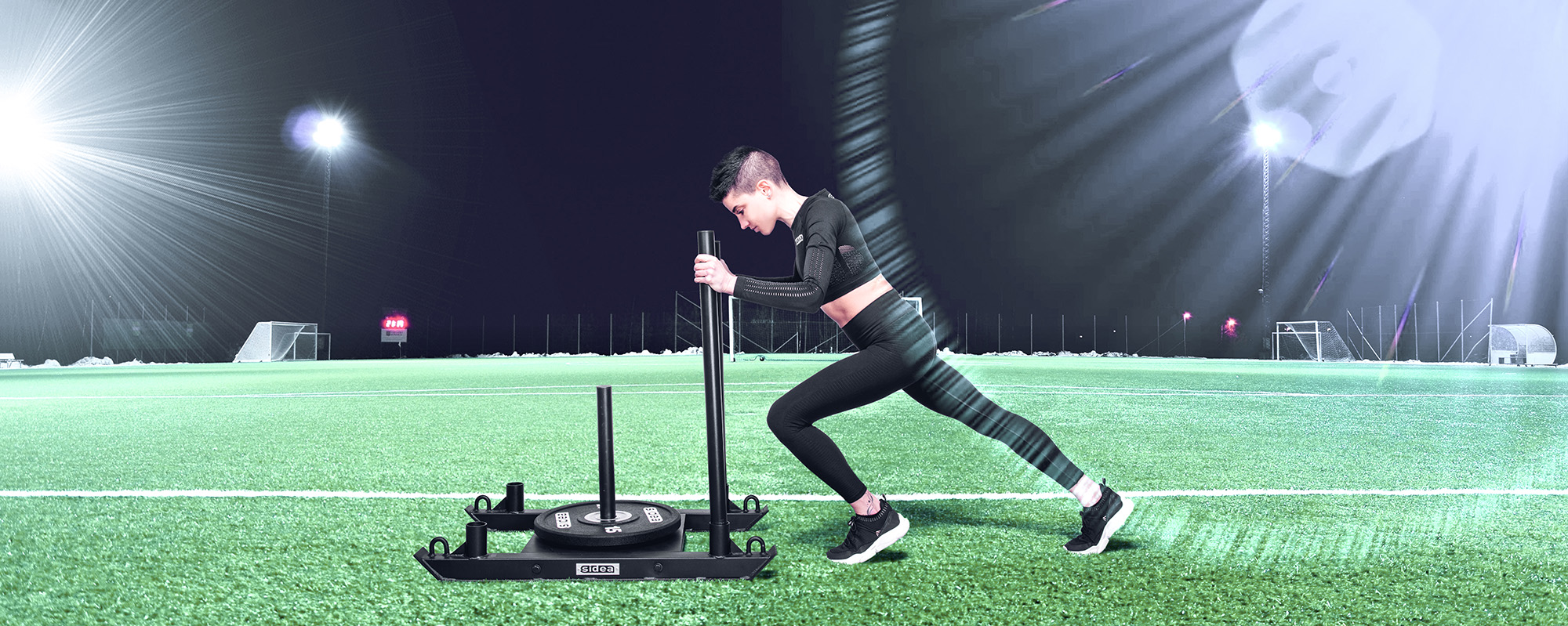
- Pushing or dragging sleds.
- Running, sprinting and changing direction.
- Burpees, jumps and obstacle navigation.
- Power and endurance tests using ergometers.
The 2026 US rulebook also includes a series of standardised physical fitness tests. These include the Max Distance Sled Drag, which focuses on sled dragging; the Bag Over Bar, involving lifting bags over a bar; and tests featuring shuttle runs, burpees and ergometer exercises.
These tests make it possible to measure specific physical abilities, introducing objective benchmarks that can also be used to monitor training progress.
However, the defining feature of the Tactical Games is the combination of different challenges.
In some situations, athletes must alternate between intense physical exertion and a shooting stage, where accuracy and compliance with safety regulations remain essential.
This makes the competition different from a conventional strength or endurance event.
Victory does not necessarily go to the athlete who lifts the heaviest weight, runs the fastest or completes an individual exercise in the shortest time. What matters is overall performance, according to the scoring criteria established for each event.
Tactical Games and CrossFit: Two Similar Disciplines?
The comparison with CrossFit is inevitable.
Both disciplines use compound movements, free weights, metabolic conditioning and functional exercises. Furthermore, both require a high degree of athletic versatility.
The main difference lies in the competitive context.
In CrossFit, performance is built around completing physical exercises, following formats that can vary significantly from one workout to another.
In the Tactical Games, on the other hand, fitness is integrated into a competition that also includes shooting sports and draws inspiration from the physical demands of tactical activities.
This does not mean that one discipline is necessarily more comprehensive or more challenging than the other. They simply assess different skills.
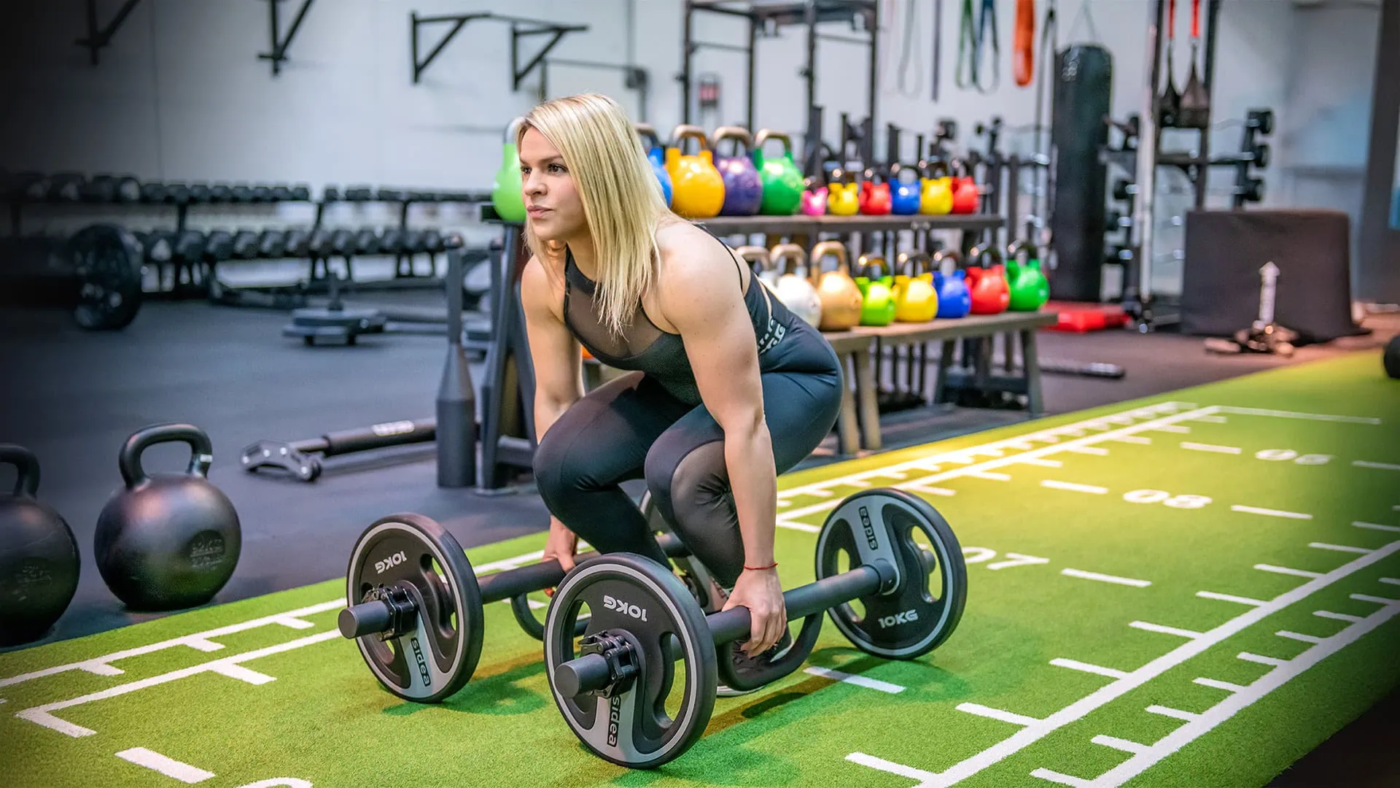
Physical Preparation: Six Key Fitness Components to Develop
How do you train for this type of competition?
The answer is less straightforward than it might seem, because there is no single exercise capable of preparing an athlete for every situation.
An effective training programme must develop several physical qualities while ensuring they work together without compromising recovery.
Strength: The Foundation
Squats, deadlifts, pull-ups, presses and other compound exercises provide an important foundation.
Strength allows athletes to handle loads, control their bodies and tackle physically demanding tasks with a greater reserve of physical capacity.
However, the goal is not simply to chase maximum lifting weights.
For a tactical athlete, being able to apply strength during complex, repeated movements is equally important.
Aerobic Endurance: The Engine Behind Performance
Good aerobic capacity allows athletes to sustain prolonged efforts and promotes recovery between high-intensity activities.
Running, rowing, the Air Bike and SkiErg are all useful tools for developing this component.
The mistake would be to assume that, because these competitions involve intense challenges, training exclusively at high intensity is sufficient.
An aerobic foundation remains essential, even for athletes who need to produce power and strength repeatedly.
Anaerobic Capacity: When Intensity Increases
Sprints, shuttle runs, interval circuits and short, high-intensity challenges require the ability to sustain demanding efforts.
This component helps athletes tackle the most challenging stages of competition, but it must be developed progressively.
Intensity alone does not guarantee results. If poorly managed, it can compromise recovery and the quality of subsequent training sessions.
Power: Producing Force Quickly
Lifting a load is not the same as lifting it quickly.
Muscular power, understood as the ability to generate force in relation to movement speed, is particularly important in activities such as jumping, pushing and explosive lifting.
Plyometric exercises and strength movements performed with explosive intent can help develop this quality, provided that proper technique is maintained.
Loaded Carries: An Often-Underestimated Skill
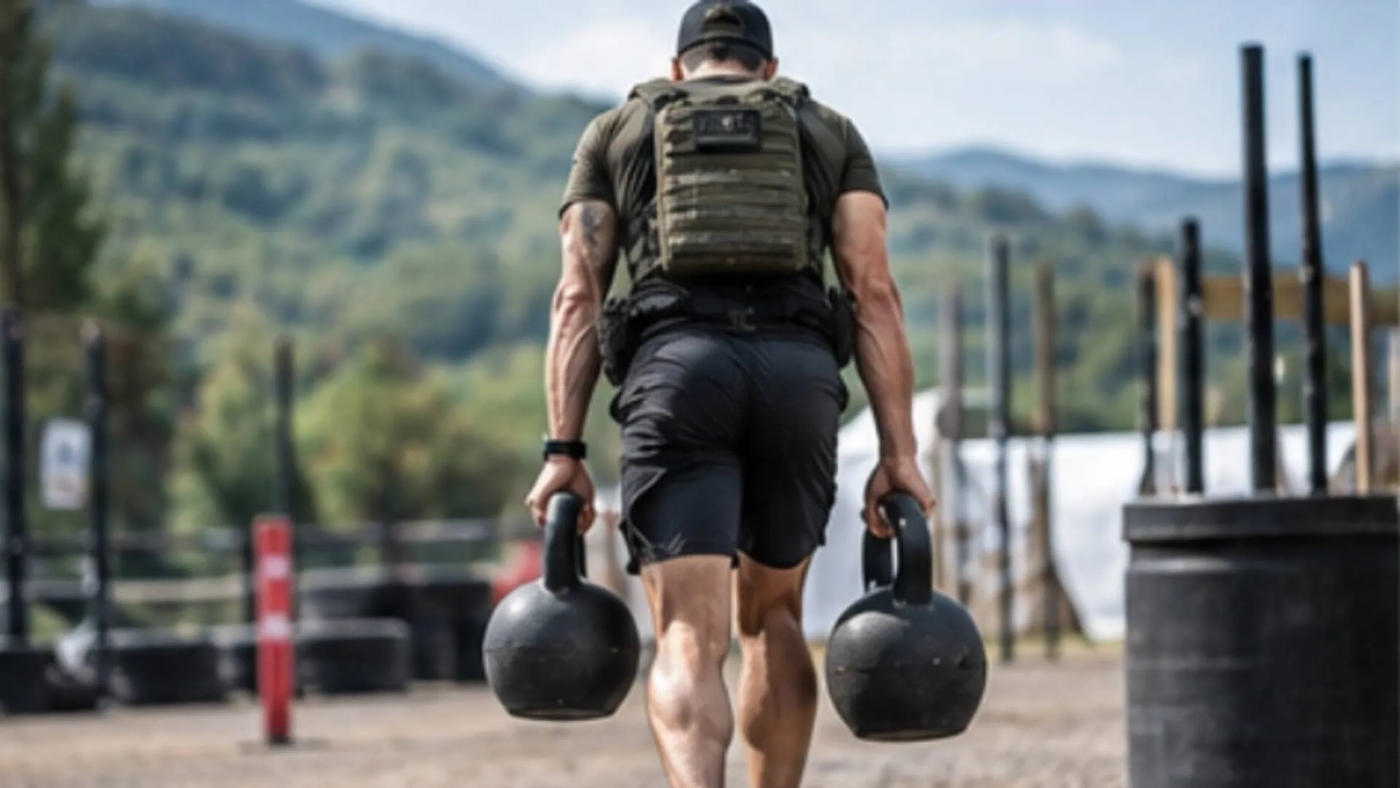
The farmer’s carry is probably one of the exercises that best illustrates the connection between functional training and tactical preparation.
Athletes must walk while carrying loads, maintaining stability, posture and control.
Sandbag carries, asymmetrical carries and other variations can also be incorporated.
These activities engage grip strength, the core, the lower body and cardiovascular capacity, but above all, they require different physical functions to work together under load.
Mobility, Coordination and Motor Control
The final component is by no means secondary.
Overcoming obstacles, changing direction, transitioning between positions and maintaining control under physical stress all require good motor skills.
Mobility must be sufficient to allow efficient movement, while stability must provide the control needed to perform those movements effectively.
For this reason, a comprehensive training programme cannot simply consist of accumulating repetitions and kilometres.
What Can We Learn from Military Physical Training?
Perhaps the most interesting aspect of the Tactical Games is their connection with a field of athletic preparation that has received increasing attention in recent years: Tactical Strength and Conditioning.
This term refers to the application of scientific principles of physical training to professionals who must perform particularly demanding operational tasks.
Through its TSAC (Tactical Strength and Conditioning) programme, the National Strength and Conditioning Association (NSCA) studies and promotes training methodologies designed for military personnel, law enforcement officers, firefighters and other professional groups.
The fundamental principle is training specificity.
In other words, it is not enough to become generally stronger or fitter: athletes must develop the physical qualities required for the tasks they will actually need to perform.
For example, professionals who frequently carry heavy equipment will benefit from developing lower-body strength, core musculature and the posterior chain, as well as progressively incorporating loaded-carry training.
Similarly, those who must perform prolonged physical activities will need adequate aerobic conditioning, alongside the strength required to carry out their duties.
The US Army Approach: Holistic Health and Fitness
An interesting example comes from the US Army, which has developed the Holistic Health and Fitness system, known as H2F.
Its aim is to move beyond an approach to training based solely on periodic physical fitness tests, promoting a broader perspective on health and performance.
The H2F model incorporates physical training, recovery, nutrition, sleep and mental performance.
The message is clear: performance does not depend exclusively on how intensely you train, but also on how effectively training is planned and how well the body can adapt.
This is an important lesson for recreational athletes, too.
Training hard does not necessarily mean training well.
Developing Fatigue Resistance Does Not Mean Ignoring Fatigue
Another concept deserves attention.
The ability to maintain performance under fatigue is not developed simply by pushing every training session to complete exhaustion.
On the contrary, effective preparation requires a balance between intensity, recovery and progressive increases in training loads.
NSCA publications emphasise the importance of adapting training programmes to individual needs while monitoring factors such as sleep quality, recovery status and the body’s response to physical exertion.
The real challenge, therefore, is not learning to tolerate any level of fatigue, but developing the physical abilities needed to manage it more effectively.
The Tactical Games Come to Italy: The 2026 Competition in Terni
On 22 and 23 August 2026, the Tactical Games also found a place in the Italian sporting calendar, with an international competition organised at the CTS Poligoni di Tiro in Terni, Umbria.
The event took place near the Marmore Falls and brought athletes to Italy to compete in a format combining physical preparation and shooting sports.
The figures give an idea of the scale of the event: 126 competitors recorded in the rankings, eight stages and several competitive divisions, including men’s, women’s, Masters and team categories.
This was a significant achievement for a discipline that is still relatively unknown to the wider Italian public.
In the Men’s Elite division, victory went to Philipp Wamser, ahead of Sebastian Soltys. The final margin was particularly narrow: 636.7312 points compared with 634.0706.
This is a clear example of how rankings can remain undecided until the very end of a competition and how overall results depend on performance across the different stages.
The presence of international athletes also confirms the event’s cross-border character, extending well beyond the scope of a local competition.
The Italian sporting scene therefore has a new reference point, bringing together the world of dynamic shooting and functional athletic preparation.
The 2027 Italian Competition Calendar
Growing interest in the discipline is also reflected in the events announced for the following year.
The European calendar includes three Skirmish competitions in Terni, scheduled for 20 March, 10 July and 13 November 2027.
These will be joined by two events at La Arcate Range, in the Pisa area: a Sniper Challenge on 10–11 April and a Qualifier on 11–12 September.
These events are currently scheduled, although their dates and organisational arrangements remain subject to possible changes.
Nevertheless, it is clear that the presence of the Tactical Games in Italy will not end with a single event.
For functional fitness enthusiasts, this development represents an opportunity to discover an emerging discipline and take a closer look at new approaches to athletic preparation.
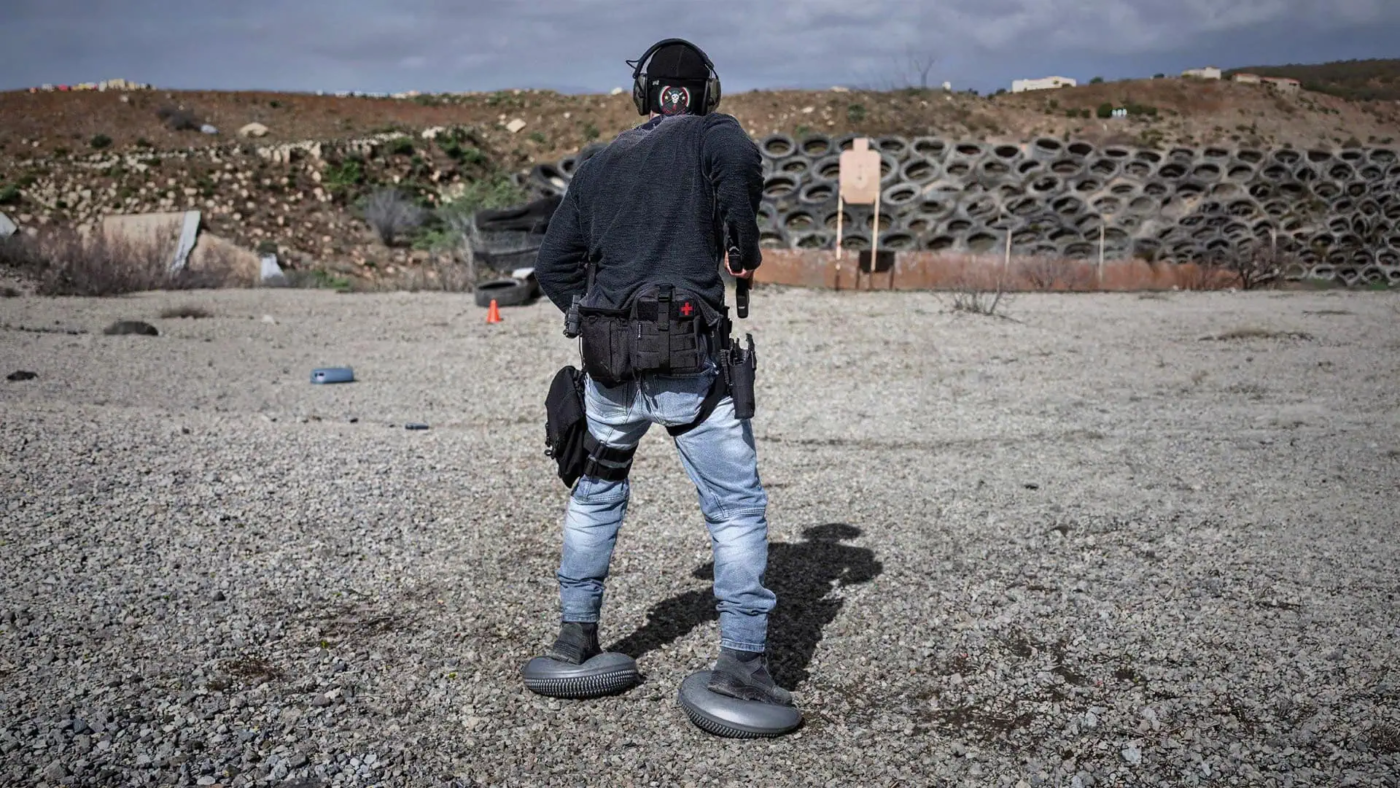
How to Get Started: Build a Solid Foundation Before Chasing Performance
One of the positive aspects of the Tactical Games is that athletes can gradually work their way into the discipline.
There is no need to start with extreme workouts or immediately use heavy loads.
In fact, for those coming from a different sporting background, the first goal should be to build a balanced physical foundation.
The official European guide recommends at least 8–12 weeks of regular preparation before entering a first competition, although this is a general guideline and does not replace an individual assessment.
A beginner’s programme could include three weekly training sessions targeting the main physical qualities.
The first, focused on strength, could include squats, pulling and pushing exercises, deadlifts and loaded carries.
The second, dedicated to endurance, could alternate continuous aerobic training with appropriately prescribed intervals.
The third could combine functional circuit exercises such as kettlebell carries, sandbag lifts, sled pushes and short courses involving changes of direction.
As fitness levels improve, training can become more specific, introducing combined challenges and periodic fitness tests.
An Example of a Functional Training Circuit
To understand the type of training involved, imagine a circuit consisting of:
- 400-metre run.
- 40-metre farmer’s carry.
- Eight controlled sandbag lifts.
- 20-metre sled push.
- Four 10-metre shuttle runs.
Loads, distances and recovery periods should be adjusted to the athlete’s fitness level.
This circuit is not an official Tactical Games event, but an example of how different physical demands can be combined into a single workout.
The goal should not simply be to complete it as quickly as possible.
Technical quality, effort management and the ability to maintain controlled movements are equally important performance indicators.
Of course, physical preparation is only one component of the discipline. Any shooting sports practice requires authorised facilities, qualified instructors, and compliance with applicable safety regulations and legislation.
Functional Training Equipment in the Service of Tactical Preparation
Looking at the exercises used in the Tactical Games reveals an interesting point: much of the required physical preparation can be developed using equipment already widely available in the functional training world.
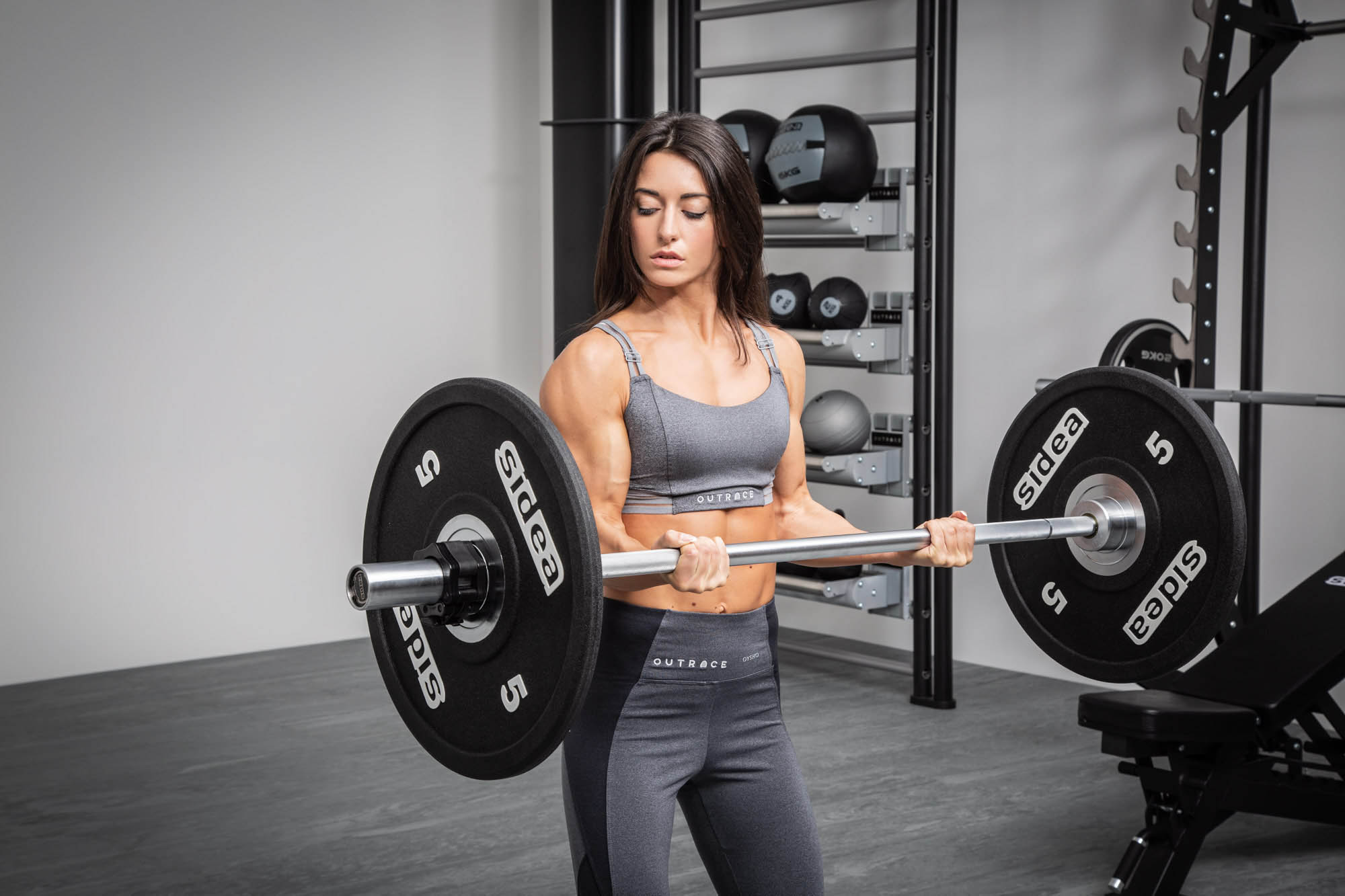
Kettlebells, barbells, sandbags, pull-up rigs, sleds and ergometers allow athletes to train many of the required physical qualities.
It is not necessarily the equipment itself that makes a workout more specific, but rather how it is used.
A kettlebell, for example, can be used to develop strength, muscular endurance, coordination or loaded-carry capacity, depending on the exercise and training programme.
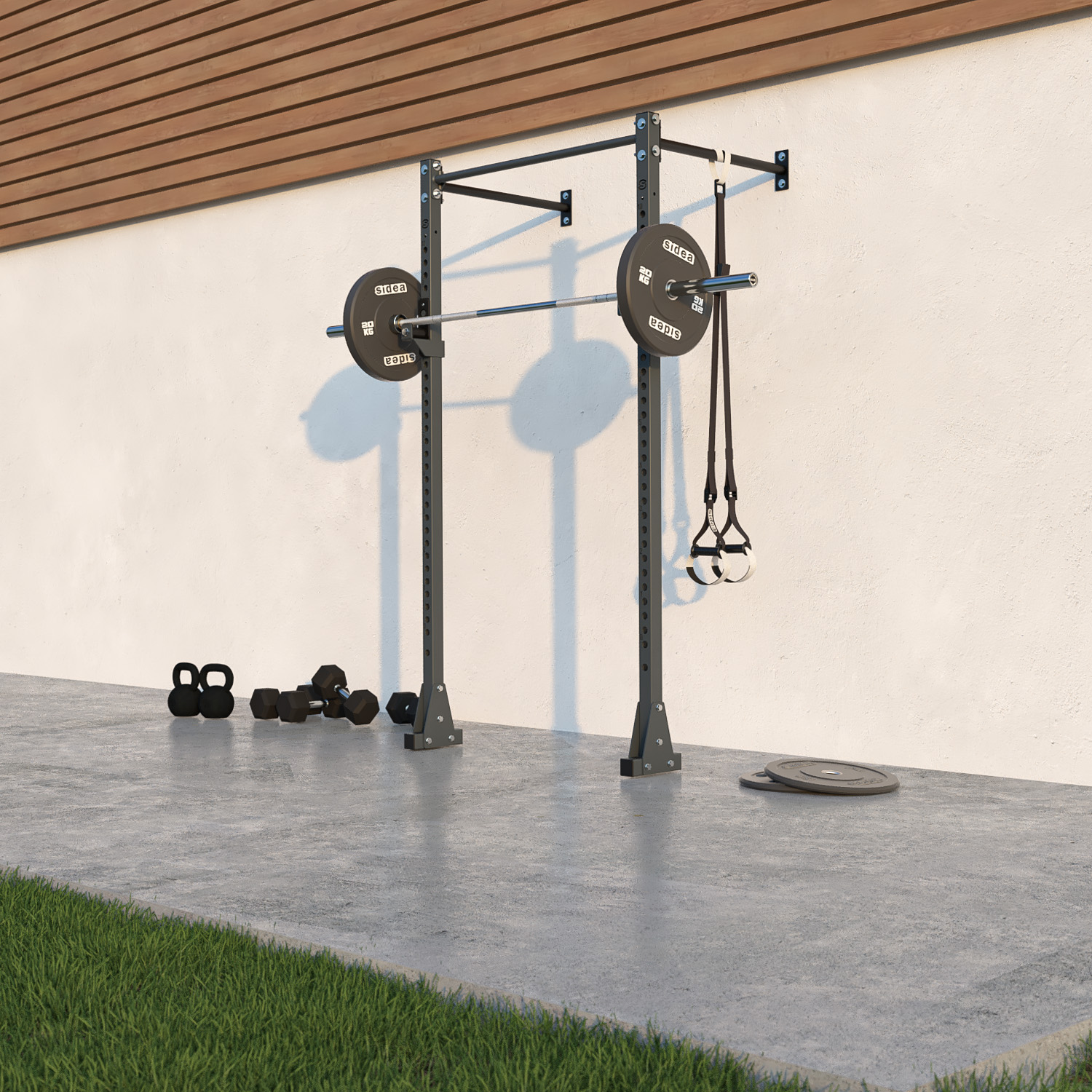
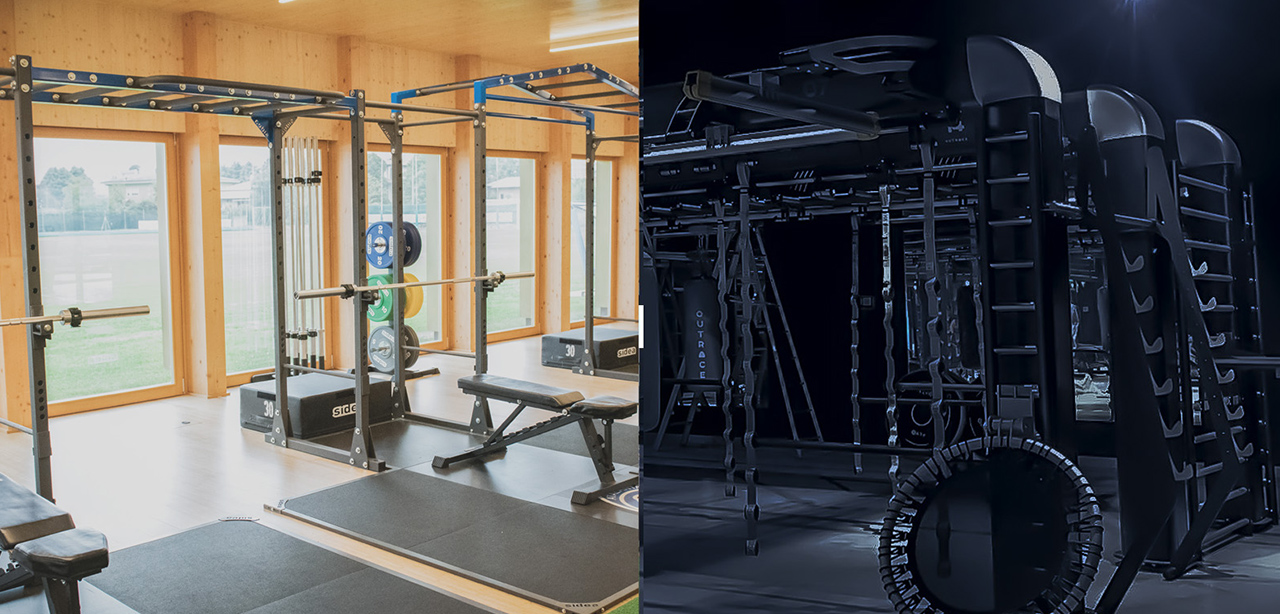
The same applies to a rack: it is not simply a structure for performing squats, but a tool that allows athletes to progressively build the strength needed to tackle more complex activities.
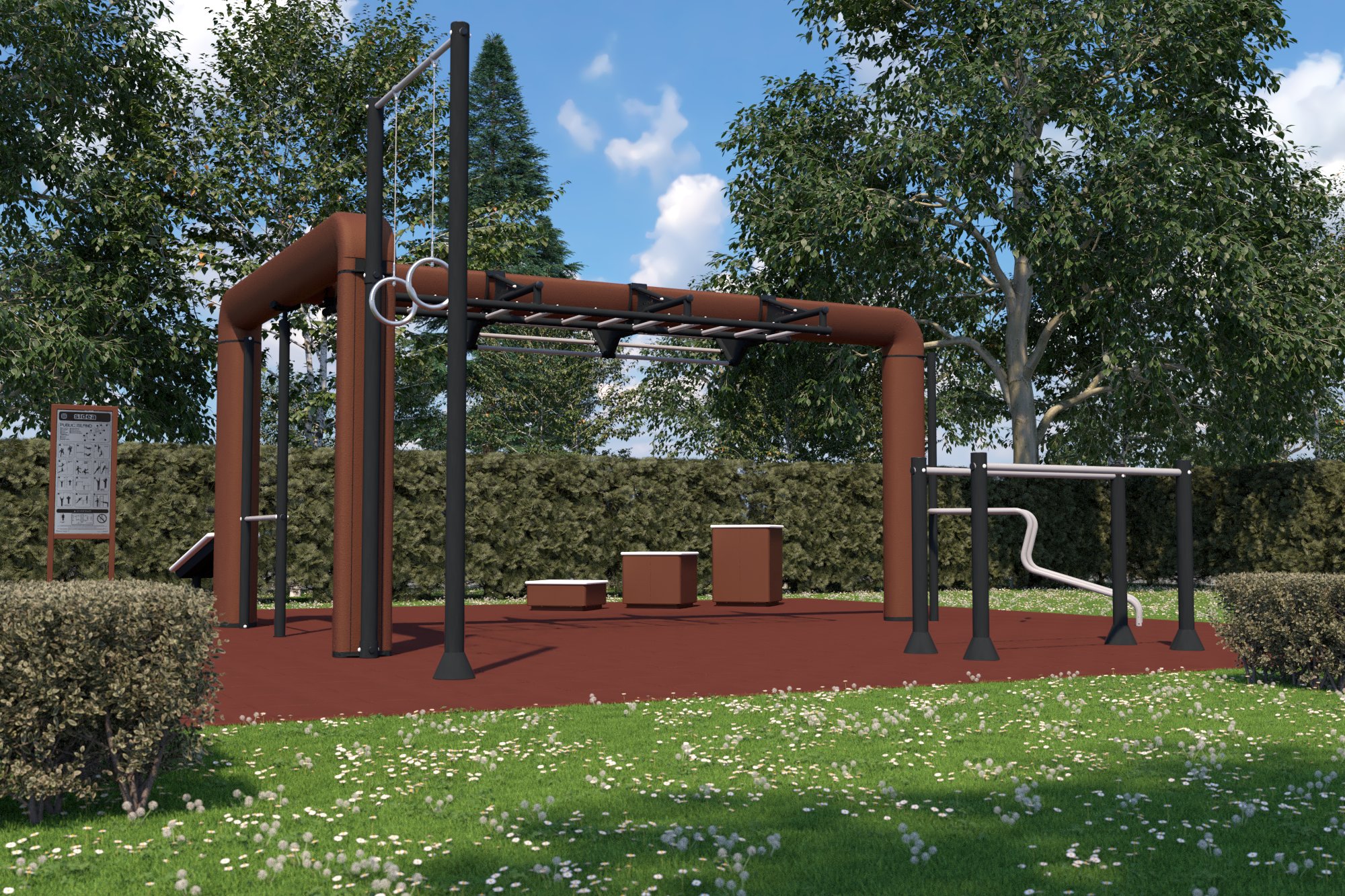
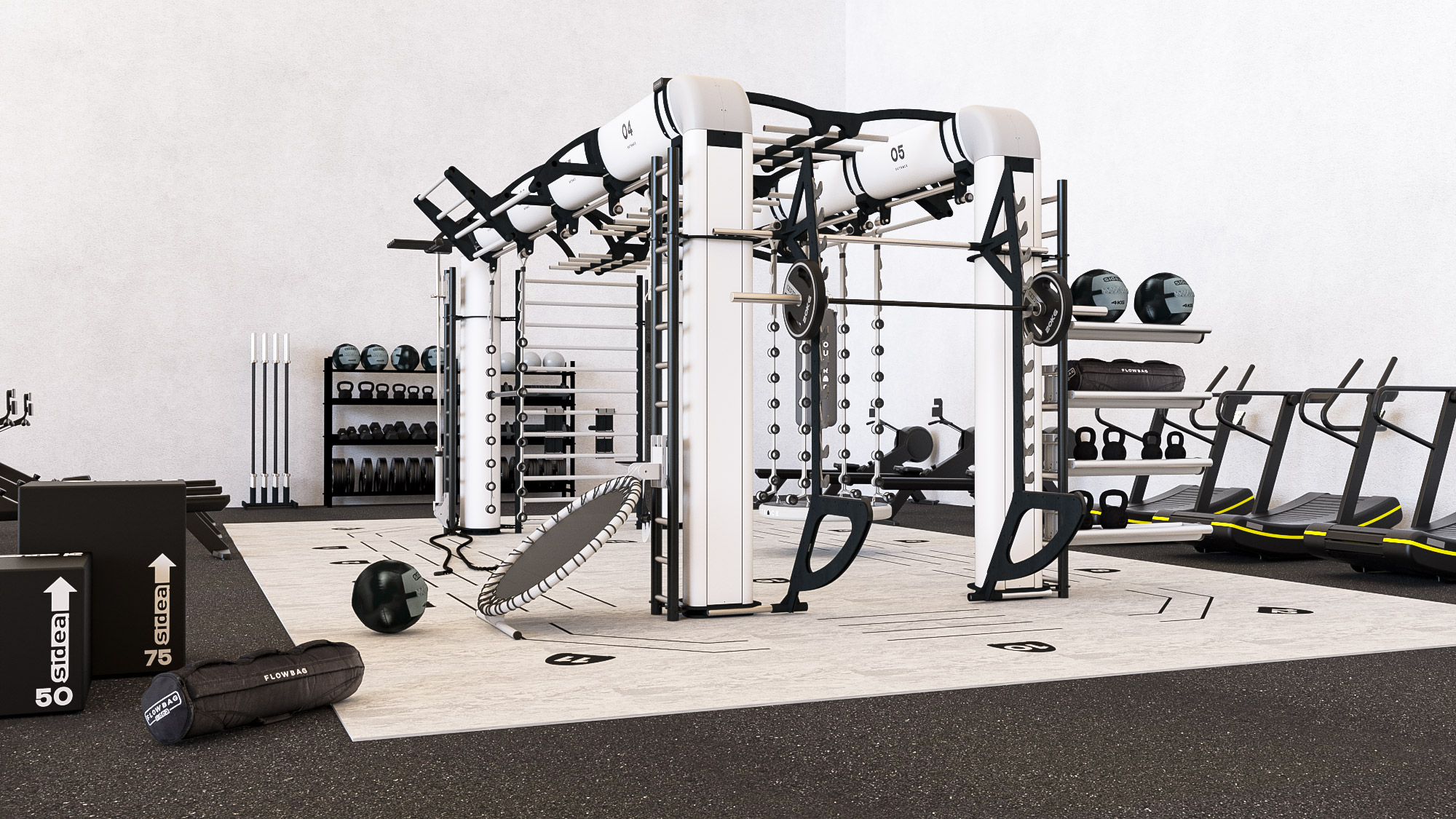
Modular functional training structures, such as OUTRACE, can offer the flexibility to organise different training stations within the same space, alternating suspension exercises, pulling movements and movement-based activities.
Ergometers also play an important role, allowing athletes to develop and monitor cardiovascular fitness through measurable performance indicators.
For companies such as Sidea, which operate in the physical training equipment sector, interest in these disciplines is primarily methodological.
Studying the athletic demands of the Tactical Games means understanding how different types of equipment can be integrated into programmes designed to develop strength, endurance and coordination.
This approach can be applied not only to competitive athletes but also to functional training, general sports conditioning and programmes designed for professionals with specific physical requirements.
Beyond Competition: What the Tactical Games Teach Us About Training
Beyond their spectacular nature, the Tactical Games encourage us to reflect on an important question: what does it really mean to be physically prepared?
For a long time, in everyday language, physical fitness has been associated primarily with appearance, the amount of weight someone can lift or running speed.
These are indicators that can describe certain physical qualities, but none of them alone tells the whole story of a person’s overall athletic ability.
Being physically prepared also means being able to coordinate movement, handle different loads, recover between repeated efforts and maintain good physical efficiency over time.
In this sense, the world of tactical training offers valuable insights even for those who will never take part in a competition.
You do not need to become a Tactical Games athlete to benefit from loaded carries, strength training, aerobic conditioning and mobility work.
What matters is choosing the appropriate training stimuli and incorporating them into a sustainable programme.
Functional training should not be defined as such simply because it involves specialised equipment or spectacular exercises.
It is functional when it addresses a specific objective and produces adaptations that are useful to the person performing it.
The Next Frontier in Athletic Preparation?
The Tactical Games do not represent a scientific revolution in training.
Strength, endurance, power, mobility and coordination are physical qualities that have been studied and trained for decades.
What makes this discipline distinctive is the way these qualities are brought together within a competition, creating a challenge in which no single ability is sufficient on its own.
And perhaps this is the most interesting message of all.
The most well-rounded athlete is not necessarily the one who excels at a single exercise, but rather the one who can effectively express and combine different physical qualities while adapting to the demands of each situation.
With new European competitions emerging and official events arriving in Italy, the Tactical Games are introducing this approach to an increasingly broad audience.
For those involved in athletic preparation, they represent an interesting sporting laboratory in which to observe the integration of strength, endurance, motor control and fatigue management.
For functional training enthusiasts, they can be an invitation to look beyond individual exercises.
Because true physical fitness is not measured solely by how many kilograms we can lift or how quickly we can cover a certain distance.
It is also measured by our ability to put the skills we have developed into practice when our bodies are faced with different challenges.
And it is precisely this combination of different physical abilities that makes the Tactical Games so fascinating.