


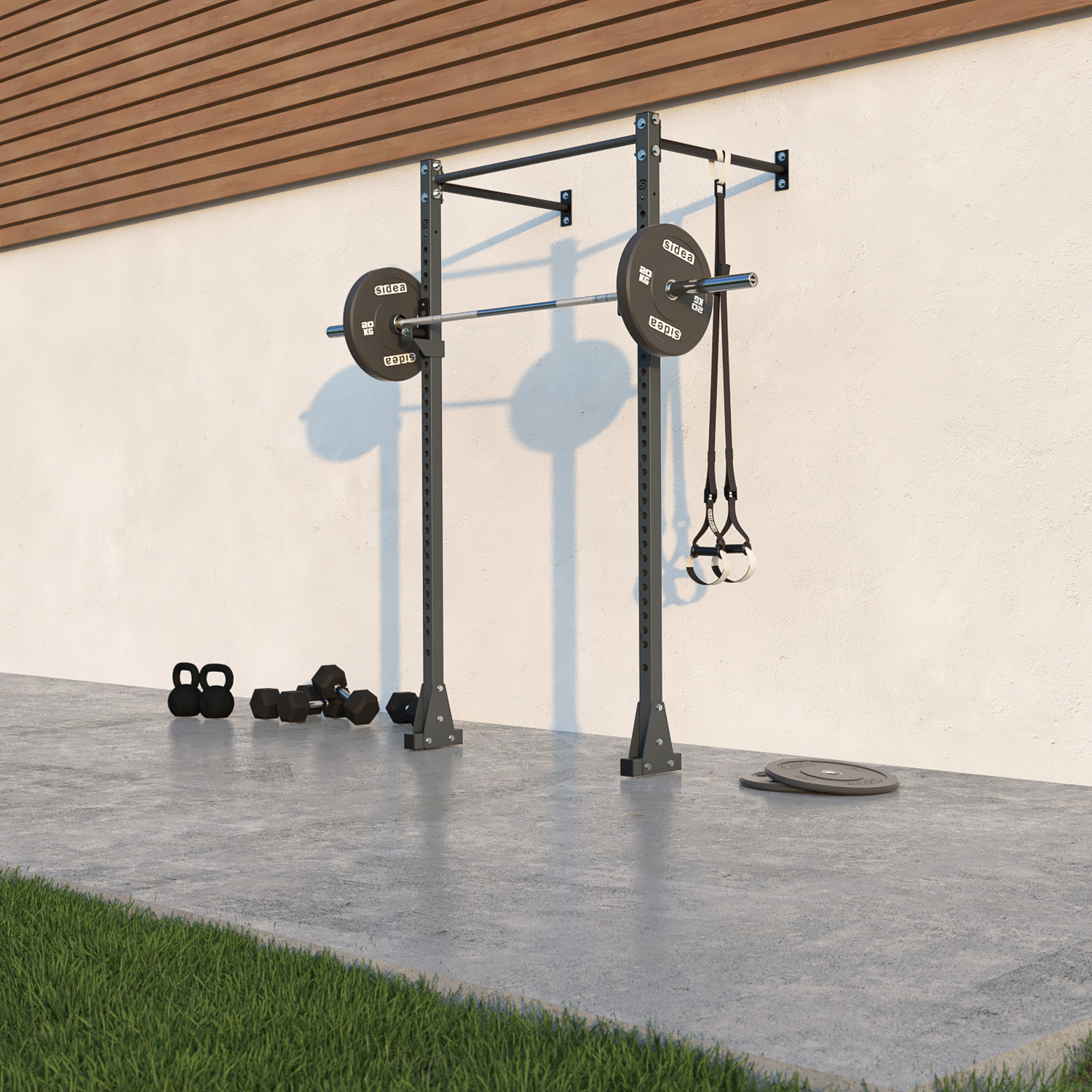

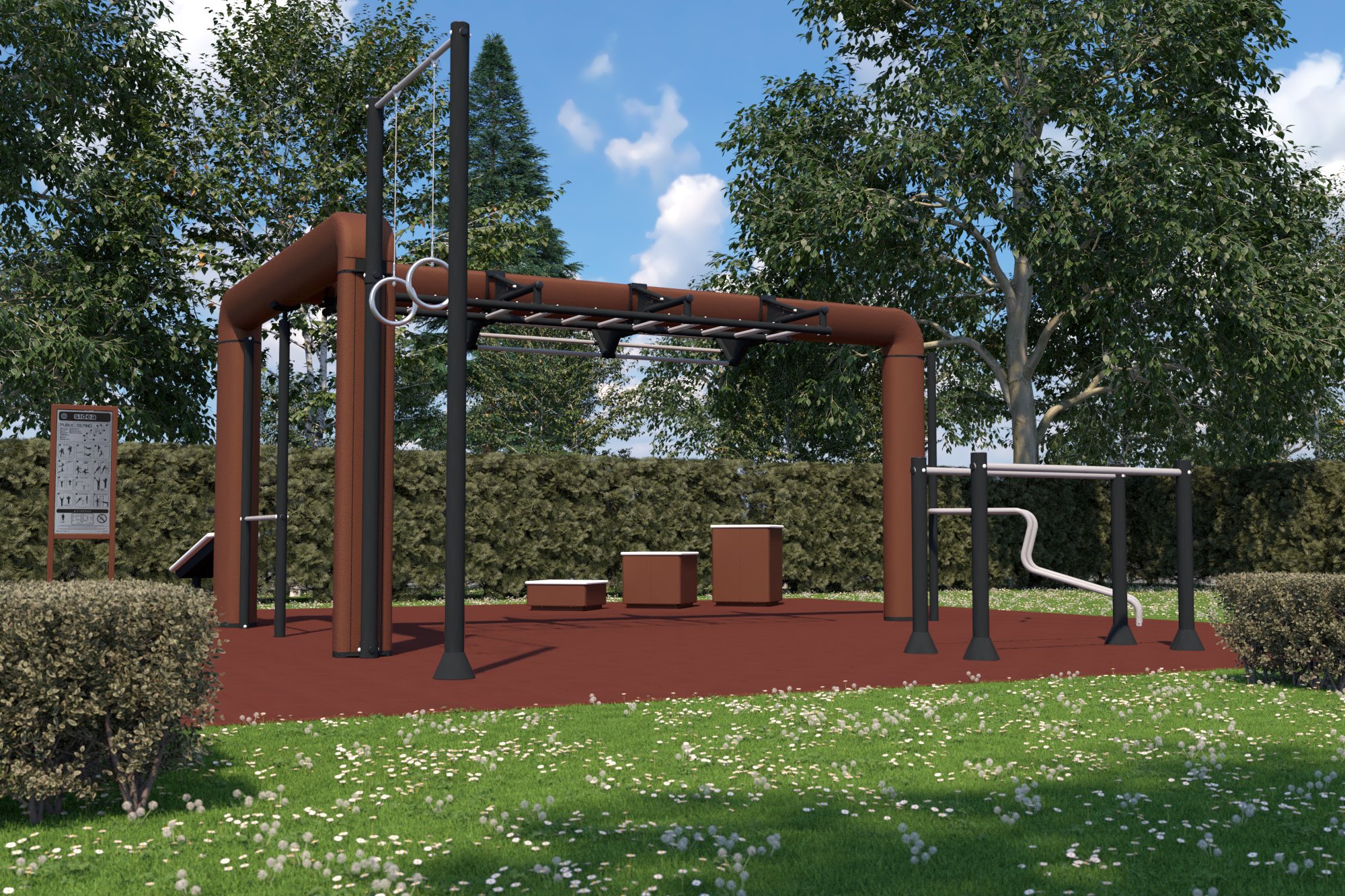



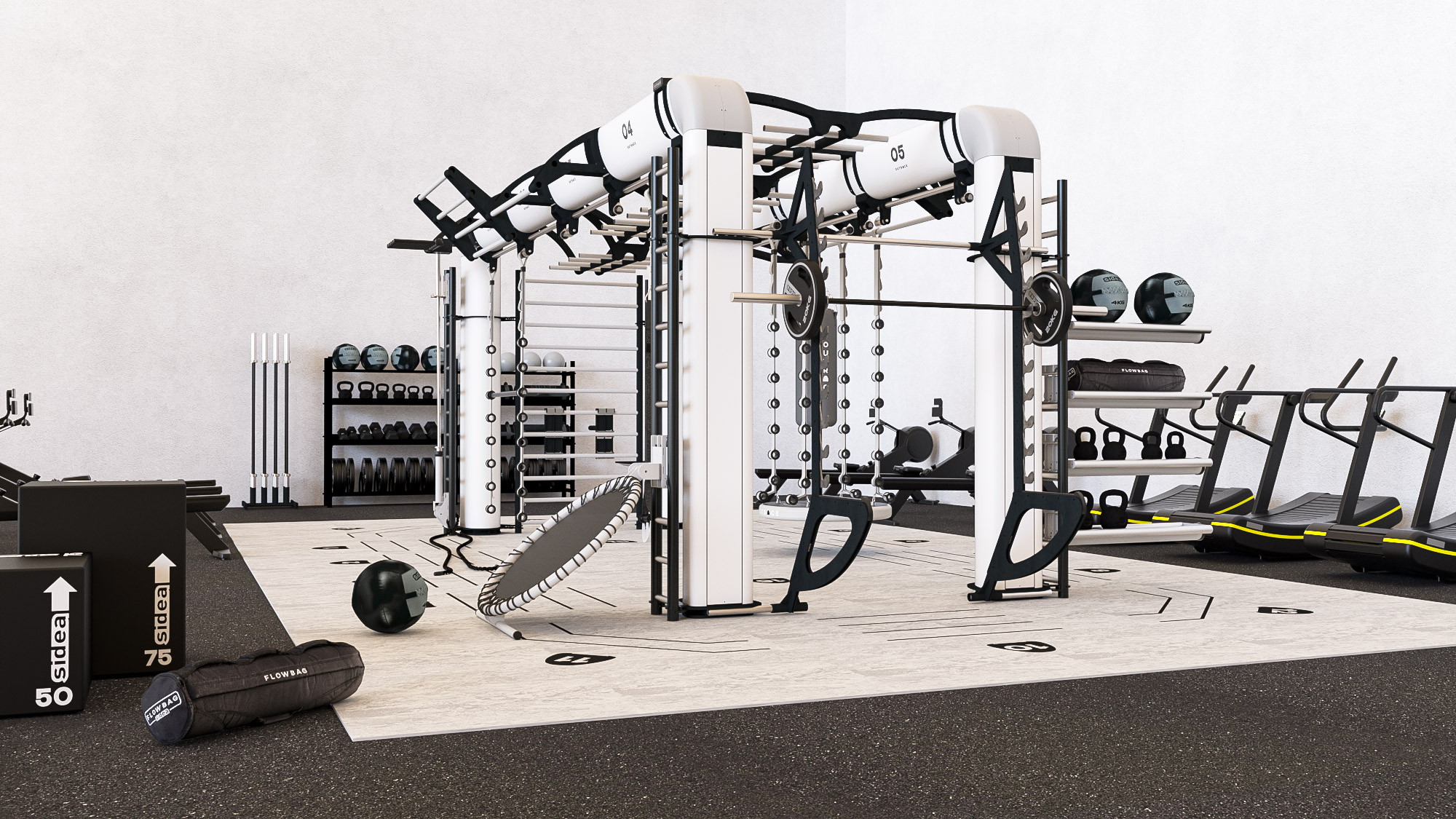
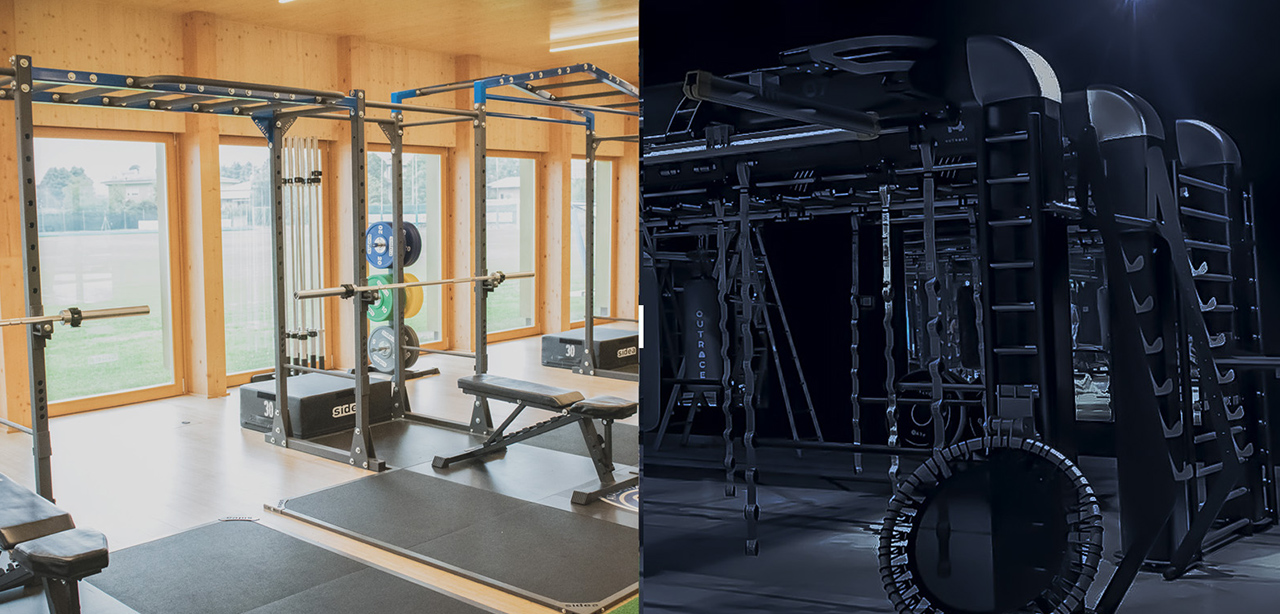
Creating a home gym today does not simply mean buying a few pieces of equipment and placing them in an empty space at home.
It means designing a true training environment, built around specific goals, the characteristics of the available space, and the way that gym will be used every day.
In recent years, the home gym has stopped being an improvised or fallback solution. It has become a conscious choice for those who want to train with consistency, autonomy, and quality, without giving up performance, safety, and comfort. But this is exactly where the most common mistake arises: purchasing equipment without a plan.
An effective home gym is not a random collection of products. It is an integrated, coherent, functional system designed to evolve over time.
And this is where SIDEA truly makes the difference.
Thanks to a complete consulting, design, and implementation service, SIDEA supports the client at every stage of the process: from the initial analysis of needs to the final installation of the project. All of this is delivered through an approach that combines technical expertise, training knowledge, and design capability.
What makes this service even more distinctive is the presence of a dedicated design office, also supported by professional trainers—key figures who deeply understand the client’s needs, training level, goals, and the type of experience they want to live within their fitness space.
It is this method that transforms a simple equipped room into a true home gym.


The starting point: truly understanding how you want to train
Every serious project begins with a fundamental question: what is the goal of your home gym?
Before choosing racks, barbells, flooring, or accessories, it is essential to clearly define the type of training the space is meant to support. The needs of someone practicing powerlifting or weightlifting, for example, are very different from those of someone who prefers functional training, bodybuilding, athletic preparation, or metabolic and cardiovascular work.
For this reason, during the consultation phase it is crucial to evaluate:
- the primary type of training;
- frequency of use;
- number of users;
- technical level;
- medium- and long-term goals.
This step guides all subsequent decisions. A well-designed project does not start from the product, but from the real need.
It is precisely at this stage that the contribution of professional trainers becomes a concrete added value: understanding how the client trains, what they want to achieve, and the kind of experience they seek in their space makes it possible to develop a solution that is far more effective, coherent, and long-lasting.


Safety and ergonomics: two aspects that allow no compromise
Training at home means having maximum freedom in managing your time, but it also requires particular attention to safety—especially when working out alone.
For this reason, it is essential to include:
- safety bars or protective systems;
- stable and reliable structures;
- properly designed training spaces;
- ergonomic equipment layout;
- convenient and safe access to weights.
A well-designed home gym must allow for intensity, autonomy, and comfort, but always within a safe and rational environment. Safety is not a technical detail—it is a fundamental condition of the project’s overall quality.

A true home gym is designed to evolve
One of the most important qualities of a well-designed home gym is its ability to grow over time without needing to be completely rethought from scratch.
For this reason, it is advisable to choose:
- modular systems;
- equipment that is compatible with each other;
- accessories that can be integrated in the future;
- flexible layouts.
A modular approach allows for smarter investment, reduces waste, and supports the evolving needs of the user. The perfect home gym is not necessarily the one that is fully equipped from day one, but the one that is built correctly and ready to develop over time.
The added value of SIDEA: from consultation to execution
When aiming to create a high-level home gym, the quality of the equipment is only part of the result. The other decisive factor is the method used to develop the project.
SIDEA offers a complete service that includes:
- initial consultation;
- analysis of the client’s needs;
- technical space design;
- support in selecting equipment;
- installation and final project execution.
This approach ensures a single, knowledgeable, and structured point of contact, capable of managing the entire process with vision, precision, and continuity.
SIDEA’s design office, supported by professional trainers, makes it possible to approach each project not only from a technical perspective, but also from the standpoint of real training experience. The result is a home gym truly built around the individual, their goals, and their habits.
Within the European landscape, SIDEA has established itself as one of the leading companies in the design and creation of home gyms, thanks to hands-on expertise and a distinctive ability to combine product, service, and design vision.


Why the difference is not made by the number of pieces of equipment, but by the quality of the design
The perfect home gym is not the largest one.
It is not the most expensive one.
And it is not even the one with the most equipment.
It is the one that is designed best.
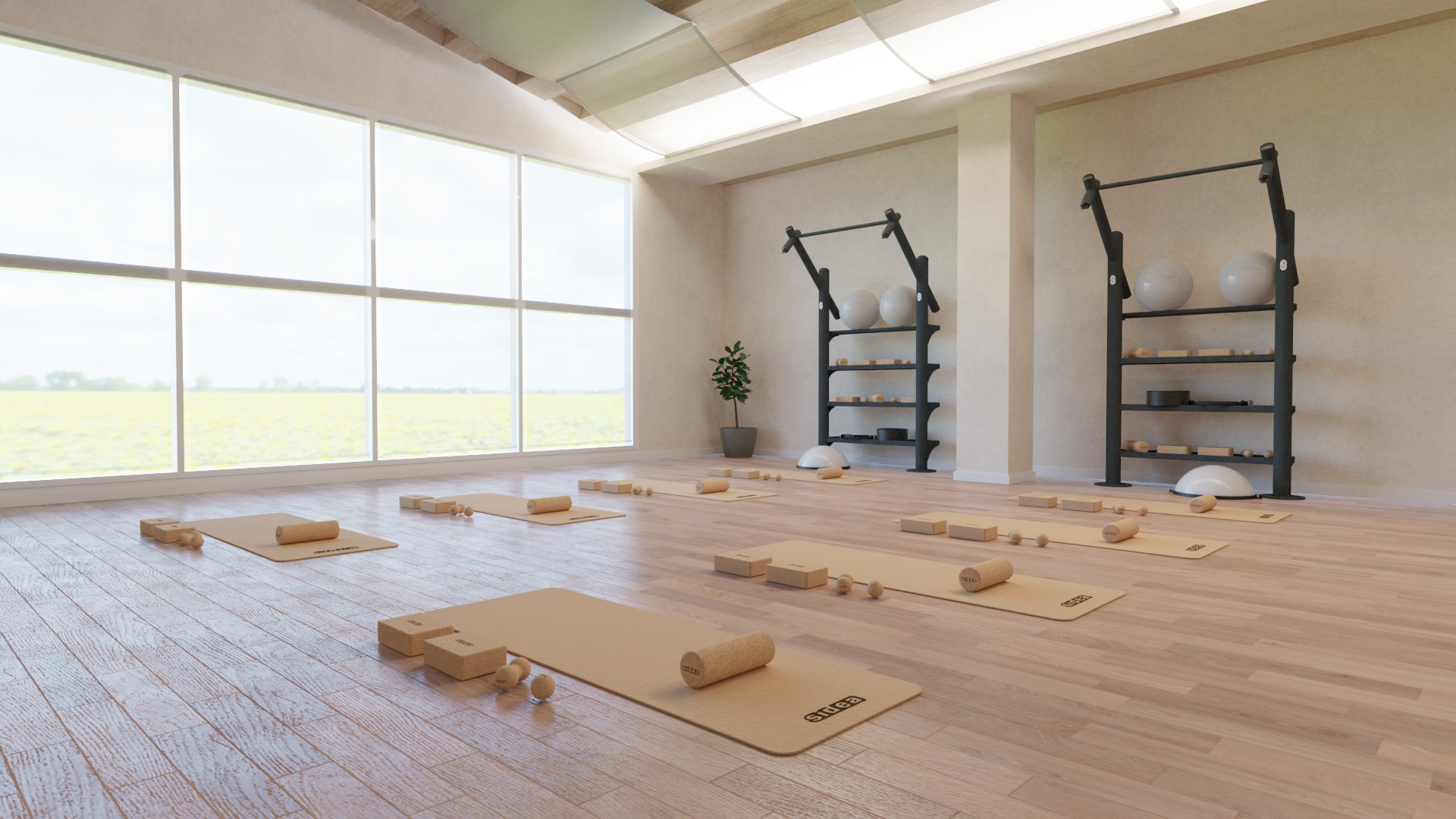
It is built on a careful analysis of goals, a detailed study of the available space, the selection of truly useful equipment, and a vision capable of integrating safety, ergonomics, order, comfort, and future scalability.
For this reason, choosing SIDEA means going beyond simply purchasing products. It means selecting a partner capable of following every stage of the process: from the initial consultation to the design phase, from discussions with professional trainers to the final installation.
Because a true home gym is not improvised.
It is designed.
Do not hesitate to contact us to design your exclusive space together.