






How to choose the right mat for your needs
The mat is one of the most underrated tools in training.
And yet, it is the point of contact between the body and the ground: it affects comfort, safety, hygiene, and the quality of movement.
Choosing the right mat means:
- improving stability
- preventing abrasions and micro-traumas
- increasing joint comfort
- ensuring durability over time
- optimizing storage and management in the gym
The choice must be guided by objective criteria, not just by thickness or aesthetics.

🔥 Functional Training and Cross Training: Protection and Durability
In high-impact activities such as:
- CrossFit
- Circuit training
- High-intensity core workouts
- Repeated sit-ups
- Mountain climbers
- Burpees
the priority becomes:
- Protection for the lower back
- Abrasion resistance
- Good material density
- Ease of cleaning
During exercises like sit-ups, friction on the lower back can cause redness and abrasions. A compact yet protective material is therefore required.
Ideal solutions:
- (https://www.sideaita.it/attrezzatura-fitness/0401-tappetino-monoblocco-eva-grey/) EVA Monoblock Mat Grey
- (https://www.sideaita.it/attrezzatura-fitness/0403-tappetino-monoblocco-eva-nero/) EVA Monoblock Mat Black
High-density EVA ensures:
- Adequate comfort
- Good durability
- A structure that remains stable over time
For even more structured workouts or for intensive use:
- (https://www.sideaita.it/attrezzatura-fitness/0407-tappeto-pieghevole-pe/) Foldable PE Mat, thicker and highly protective.
🧎♂️ Gentle Gymnastics, Stretching, Rehabilitation
Here the priority is:
- Joint comfort
- Adequate thickness
- Ease for prolonged support
Ideal solution:
- (https://www.sideaita.it/attrezzatura-fitness/3024-tappetino-materassino-pilates/) Pilates Mat
- (https://www.sideaita.it/attrezzatura-fitness/0407-tappeto-pieghevole-pe/) Foldable PE Mat for maximum protection.
Greater thickness means better insulation from the ground and reduced pressure on the hips and spine.


2️⃣ Material: EVA, PE, TPE, Cork
The material determines durability, feel, density, and hygiene.
EVA (Ethylene Vinyl Acetate)
✔ Good compromise between comfort and resistance
✔ Lightweight
✔ Ideal for general use and functional training
PE (Polyethylene)
✔ More structured
✔ Excellent protection
✔ Suitable for intensive use
TPE (Thermoplastic Elastomer)
✔ Softer
✔ High comfort
✔ Excellent choice for home fitness
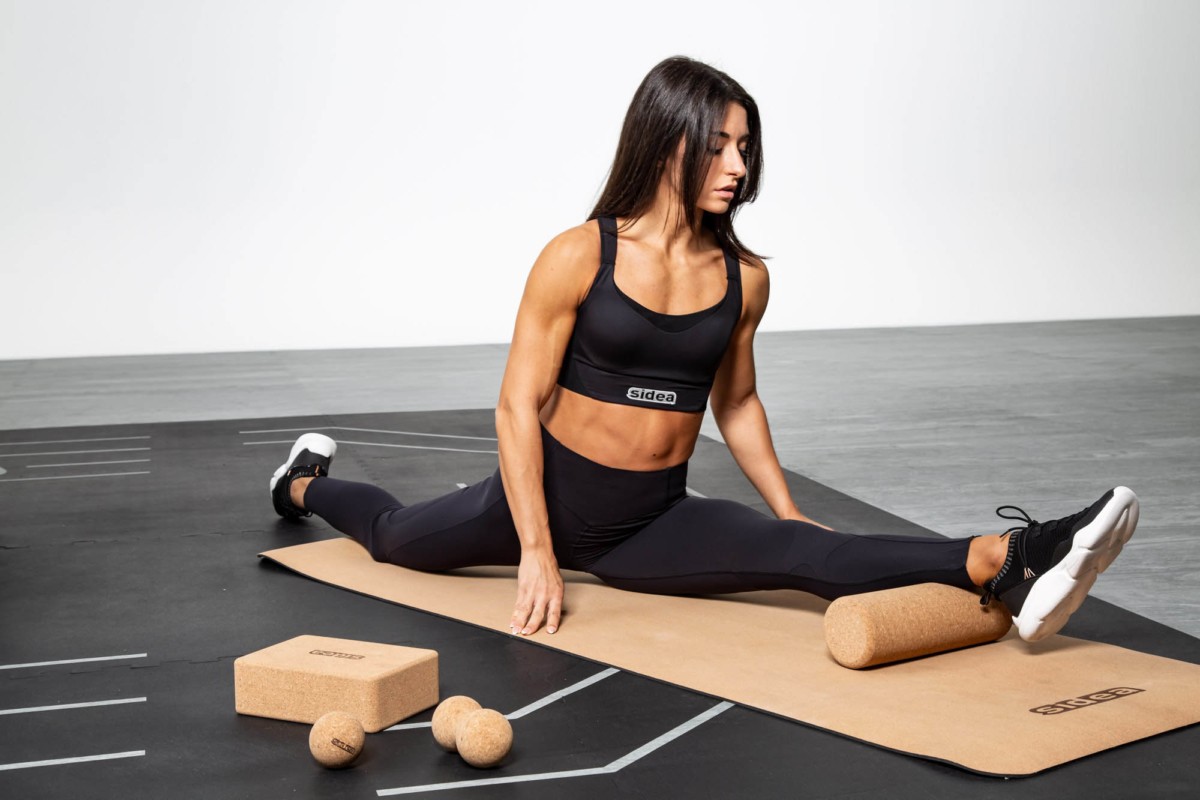
Cork
✔ Natural
✔ Grip increases with sweat
✔ Ideal for dynamic yoga

3️⃣ Spessore: equilibrio tra comfort e stabilità
Spessore ridotto:
- maggiore stabilità
- migliore controllo
- ideale per yoga tecnico
Spessore medio:
- buon equilibrio
- adatto a uso misto
Spessore elevato:
- massima protezione
- ideale per core training e riabilitazione
Attenzione: più spessore non significa automaticamente migliore qualità.


4️⃣ Portability: Rollable or Foldable?
The best choice depends on whether you’re using it for home fitness or at the gym.
Rollable Mat
✔ More practical to transport
✔ Slips easily into a bag
✔ Ideal for those who train at a studio
Examples:
Foldable Mat
✔ More compact to store
✔ More structured
✔ Ideal for gyms and intensive use
Examples:

5️⃣ Gym Storage: An Often Overlooked Factor
In a professional setting, space management is crucial.
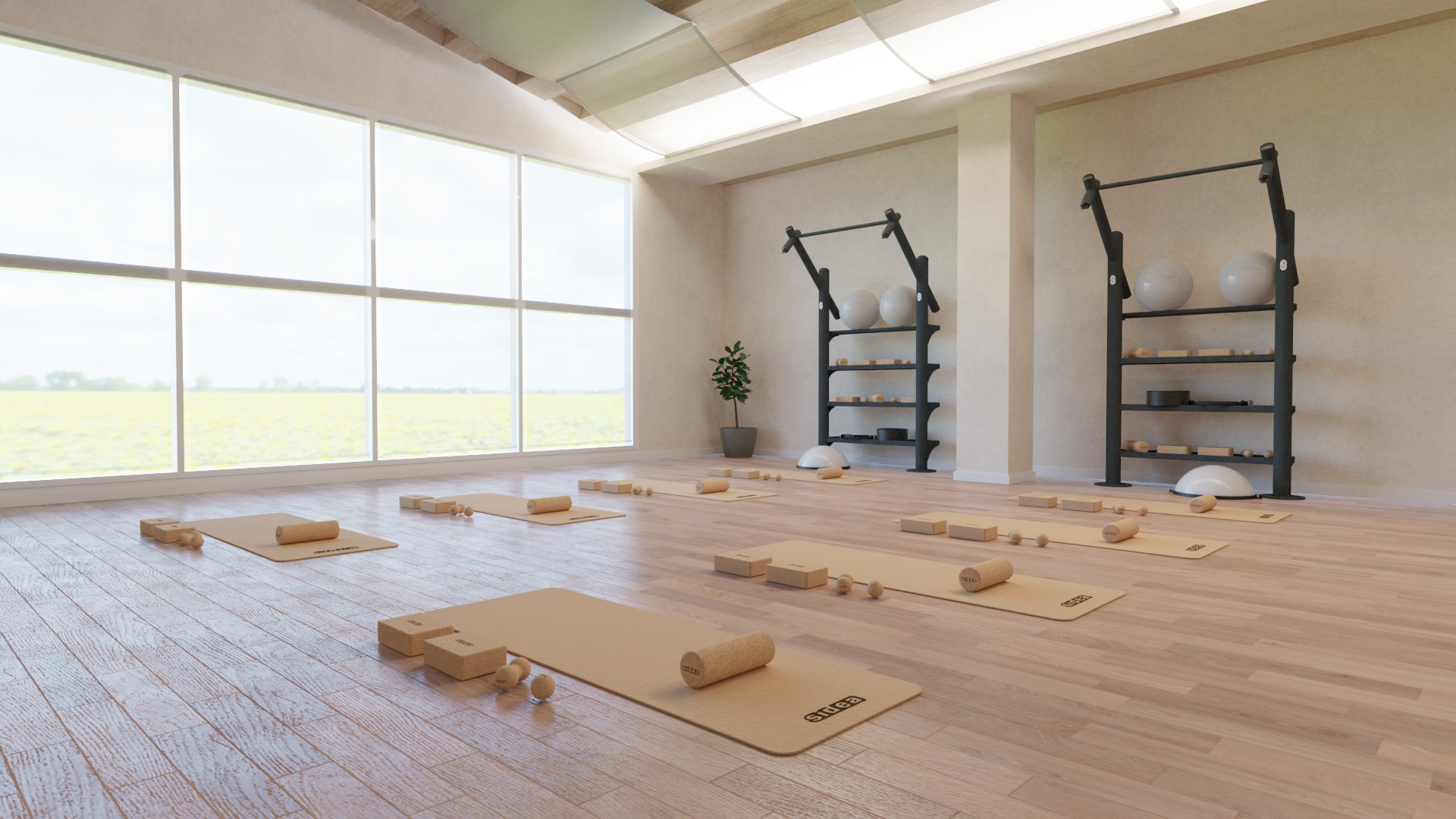
Mats with Eyelets
✔ They can be hung
✔ They take up less space
✔ They promote aeration and hygiene
With:
- (https://www.sideaita.it/attrezzatura-fitness/0397-wall-mat-rack-espositore-tappetini/) Wall Mat Rack
This solution provides:
- Order
- Better layout management
- Increased product lifespan
Mats without Eyelets
They require:
- Shelving
- Carts
- More floor space
For studios and gyms with high user traffic, logistical management is as crucial as the quality of the mat itself.


6️⃣ Home Fitness vs. Gym: What Really Changes?
At home:
- Priority is on comfort and portability
- Ease of storage
- Lightweight
At the gym:
- Priority is on durability and hygiene
- Ease of sanitization
- Space organization
- Longevity over time
A home fitness mat may not be suitable for 8 hours of daily use in a professional facility.

7️⃣ Common Mistakes to Avoid
❌ Choosing based on price alone. A cheap mat may not provide the right support or durability, costing you more in the long run.
❌ Confusing thickness with quality. A thick, low-density mat can be less stable and less protective than a thinner, high-density one.
❌ Ignoring the type of activity. Using a yoga mat for high-impact training will wear it out quickly and won’t protect you properly.
❌ Not considering space management. Forgetting how you’ll store the mat can lead to clutter and damage, especially in a professional setting.
❌ Overlooking material density. This is key for support, stability, and durability. A low-density mat will compress and wear out much faster.


8️⃣ Conclusion: Making an Informed Choice
A fitness mat is a technical surface.
It is an integral part of your workout.
Making the right choice improves:
- Quality of movement
- Comfort
- Safety
- Equipment longevity
- User experience
In a professional setting, the choice of mat also communicates the quality standard of the facility.
Training better means starting from a solid foundation.